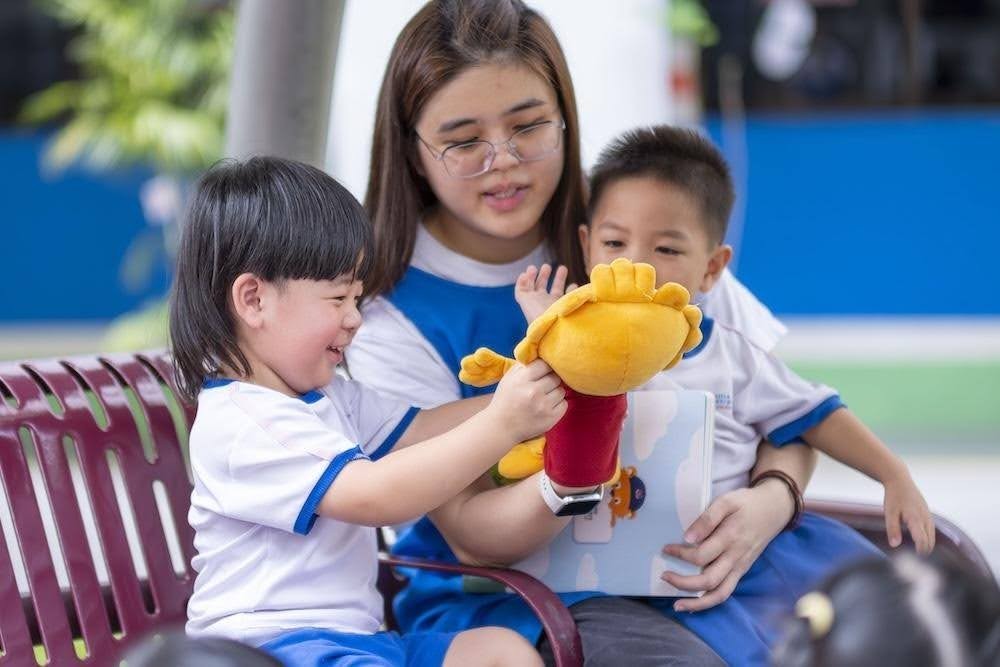
The stuffed rabbit clutched tightly on the first day of preschool. The blanket that must be present at every nap. Parents often worry about these attachments, wondering whether they signal dependency or fragility. In fact, they are emotional development toys in the truest sense: a sign that a child is actively learning to manage a complex inner world.
What Is an Emotional Support Toy?
An emotional support toy is any object a child consistently turns to for comfort, security or calm during moments of stress, transition or uncertainty. They come in many forms, from stuffed animals and blankets to small familiar figures, but what they share is the child's consistent, intentional reach for them. Developmental psychologists call these 'transitional objects', and their use is a healthy, expected part of early childhood.
The concern parents most commonly raise is the line between a meaningful comfort object and unhealthy dependency. A child who reaches for a soft toy when entering a new environment is drawing on a resource that genuinely works. That's a capacity worth supporting, not discouraging.
How the Right Toy Can Quietly Build Social Skills
Choosing the right toys for social development starts with understanding the link between emotional regulation and social readiness. A child who can manage their own feelings is far better equipped to engage with others.
- Self-Soothing: Having a reliable comfort object gives a child an internal resource to draw on when the world feels overwhelming. Children who can settle themselves enter new social situations with more confidence, including the preschool classroom. That same capacity underpins turn-taking, cooperation and conflict resolution with peers.
- Expressing Feelings: Children often use toys as proxies for emotions they don't yet have words for, projecting feelings onto a bear or a doll before they can name them directly. Imaginative play makes it safe to explore difficult emotions from a comfortable distance. This early practice builds the emotional fluency children need for genuine social connection.
What Toys Help with Emotional Regulation?
Not every toy supports emotional development equally. These categories actively invite regulation, expression and calm.
- Toys That Invite Imaginative Play: Open-ended figures, puppets and playsets are among the most versatile toys for emotional development, allowing children to create and resolve their own emotional narratives. These social-emotional learning toys give children agency over scenarios they cannot control in real life, building a quiet sense of mastery.
- Toys with Sensory Features: Objects with varied textures, weights or tactile surfaces engage the nervous system and provide grounding during moments of dysregulation. Sensory input works physiologically to calm an activated stress response.
- Toys with Calming Textures: Soft, weighted or familiar-feeling objects activate the body's natural relaxation response through touch. Their value is especially clear during transitions: new classrooms, unfamiliar environments, or moments of separation from caregivers.
- Toys That Encourage Expression: Art materials, emotion cards and feeling dolls are among the most effective emotional development toys, giving children a concrete way to show rather than tell how they are feeling. They also create natural openings for adults to gently extend a child's emotional vocabulary.
Supporting the Whole Child
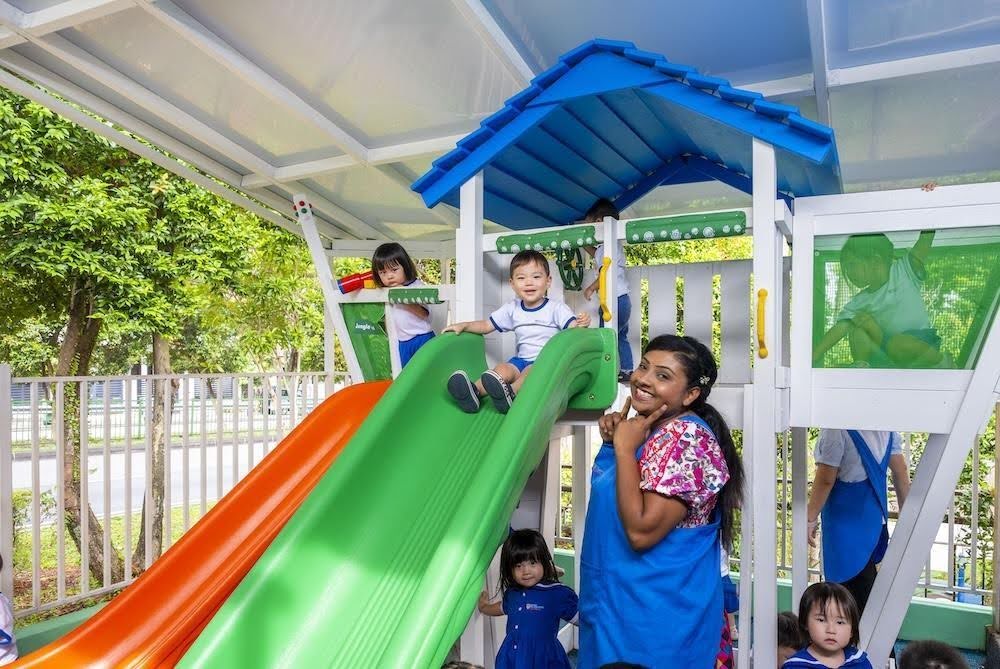
Emotional support toys are not a sign that a child is struggling. They are a sign that a child is learning. The right toys for social development at home extend naturally into the preschool environment, where emotional regulation is the foundation for everything that follows.
At Little Footprints, character building and social-emotional learning sit at the heart of our curriculum. Children are given the language, space and safety to understand and express how they feel, at our Yishun preschool and across all our preschools in Singapore.
Book a tour at any of our preschools in Singapore and see how Little Footprints nurtures the emotional lives of young children alongside their academic development.


