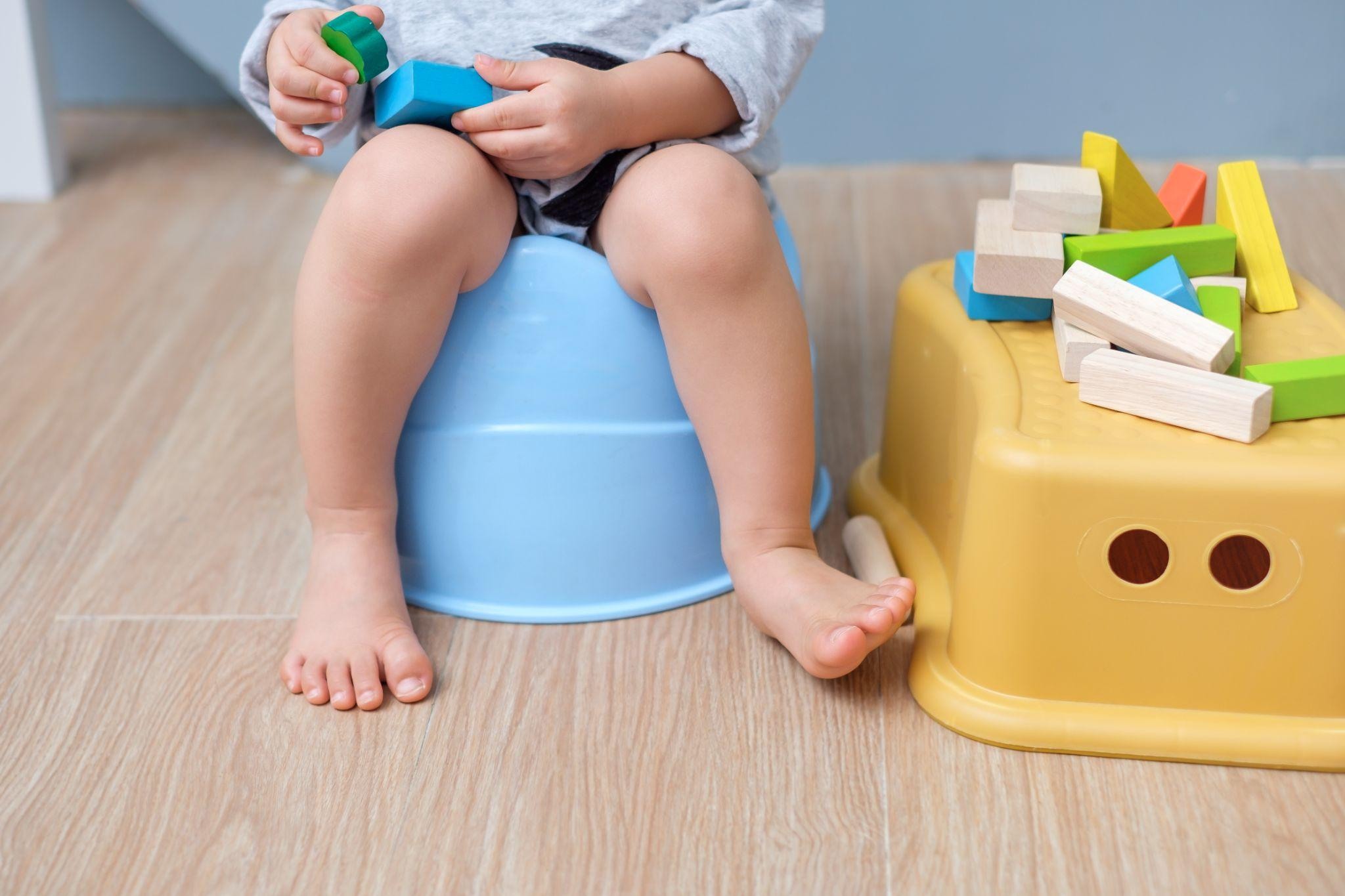
There is a particular mix of emotions that comes with realising your toddler is ready to leave diapers behind. Pride, certainly, your baby is growing up. But also a nervousness about the accidents, the resistance, and the sheer unpredictability of the journey ahead.
But potty training is not just a hygiene milestone. It is one of the first times a child learns to listen to their own body, to communicate a need, and to act on it independently. That makes it an exercise in confidence and self-awareness, and one of the most meaningful steps toward the self-reliance that preschool and, eventually, Primary 1 will require.
In this guide, we walk you through tips to navigate toilet training and its inevitable bumps, so you and your child can approach this milestone with calm and confidence.
Readiness First: When to Start Toilet Training
Before you think about how to start potty training, it helps to know that age alone is a poor guide and that readiness is a far better one. So look for these signals before giving yourself the green light to begin:
- Staying dry for stretches of two hours or more
- Communicating the need to go, either through words, gestures, or a very telling facial expression
- Showing curiosity about the toilet or enthusiasm for "big kid" underwear
- Expressing discomfort in a soiled diaper
Beyond these cues, the timing of when you start matters just as much. Major transitions, a new sibling, a house move, or the start of a new school term, add pressure to an already sensitive process. So if your family is in the middle of one, it is worth waiting for calmer ground before you begin.
The Prep Work: Setting the Stage for Success
Once you have decided your child is ready, a little preparation goes a long way. Start with the basics: choosing between a standalone potty chair and a toilet seat insert. This often comes down to temperament: a potty chair offers independence and portability, while a seat insert suits children who want to do exactly what adults do.
Language matters too. Settle on consistent vocabulary early, whether that's "wee-wee," "poo-poo," or "using the potty", so your child can communicate their needs clearly and confidently. Picture books that normalise the process can also beautifully ease "potty anxiety", turning an unfamiliar routine into something familiar and even funny. The goal is to make the bathroom a welcoming, pressure-free space rather than a place associated with urgency or frustration.
How to Potty Train Your Toddler: A Step-by-Step Guide
With the groundwork in place, here is a straightforward approach to getting started:
- Step 1: Transition gradually. Move from diapers to pull-ups before introducing cotton underwear, giving your child time to adjust without the pressure to succeed immediately.
- Step 2: Build a gentle schedule. The timer method works well here; sitting on the potty after meals or upon waking helps build muscle memory around natural windows, without it feeling forced.
- Step 3: Celebrate specifically. When it comes to encouraging toilet training, specificity is everything. "I love how you listened to your body!" lands far better than a generic "good job." Sticker charts, high-fives, and small celebrations also make the process feel like a shared win.
- Step 4: Never force it. Pressure creates resistance, and resistance quickly becomes a power struggle that sets everyone back. If your child is not willing, step away and try again later.
Common Challenges When Potty Training Toddlers
Even with the best preparation, setbacks are part of the process, and knowing what to expect makes them far easier to weather.
Knowing how to handle potty training regression is one of them. Returning to accidents after a dry streak is a normal response to stress or developmental leaps, not a sign that something has gone wrong. Acknowledge it calmly, offer reassurance, and carry on.
For the toddler who simply refuses to engage, encouraging toilet training starts with stepping back entirely. A two-week break can reset the dynamic and take the pressure off both of you. When you reintroduce the potty, try a lighter touch, a "potty song," a favourite toy nearby, or simply letting them observe without any expectation. A playful, low-stakes approach often works where persistence has not. It is also worth remembering that daytime dryness and nighttime dryness are entirely separate achievements, and the latter can take considerably longer to arrive.
The Importance of the Home-School Partnership
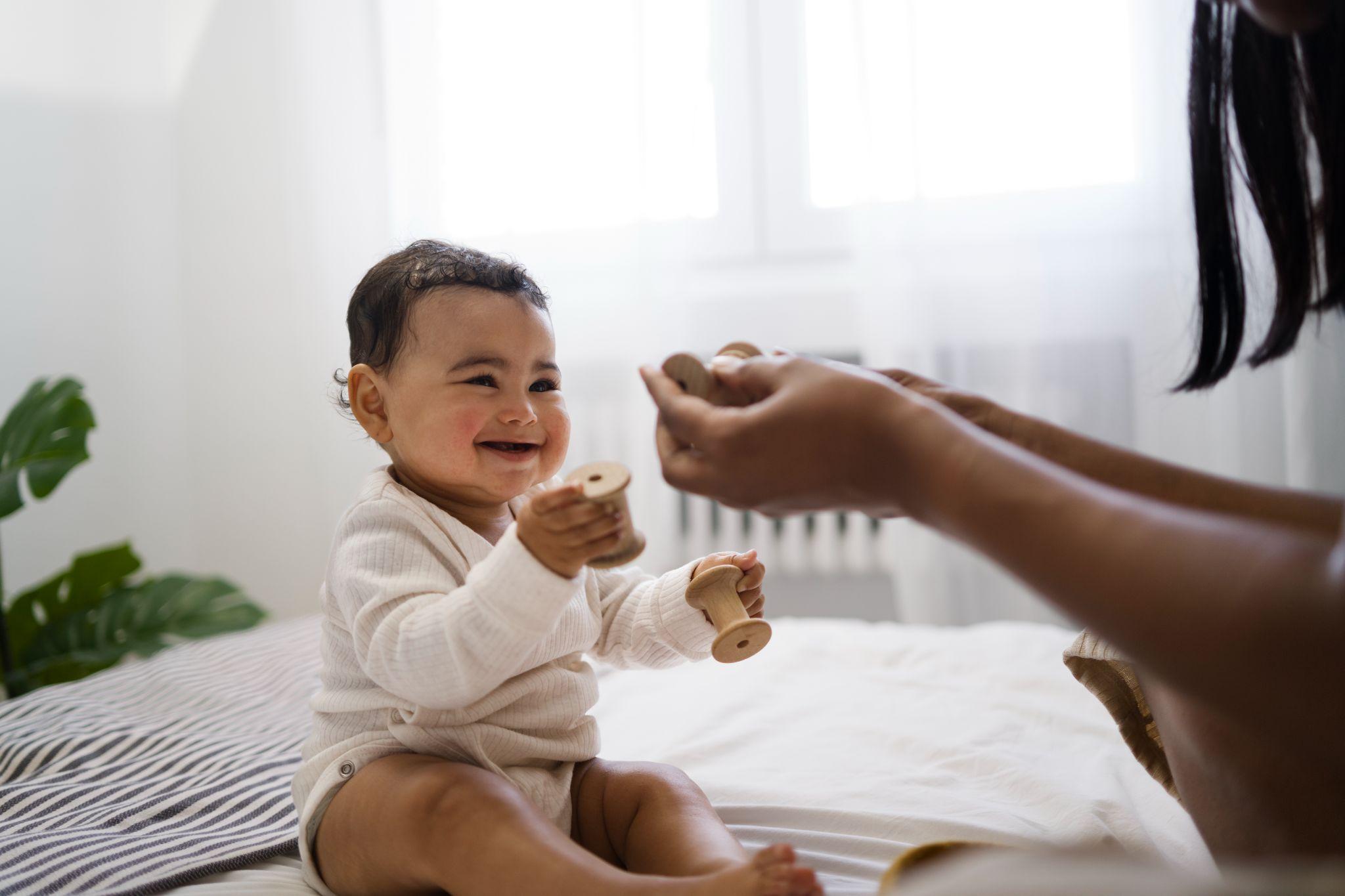
Potty training does not happen in isolation, and consistency across home and school makes the whole process smoother. When the language, routines, and expectations match across both environments, children adjust with far less confusion. Talk to your child's educators early: share the vocabulary you use at home, ask about the in-class potty schedule, and keep communication open as your child progresses.
At Little Footprints Preschool, our educators provide a supportive, familiar environment that eases this transition at school, celebrating every small step alongside you. Being toilet-trained also brings a quiet but significant confidence boost. Children who can manage their own needs independently arrive at nursery and kindergarten ready to engage, connect, and thrive.
Potty training is a journey of a thousand small steps. There will be puddles. There will also be the moment your child looks up at you, beaming, and says, "I did it", and that moment, when it comes, is worth every one of them.
Looking for a preschool in Singapore that partners with you through every milestone, from diapers to Primary 1? We'd love to show you how we support our little learners. Book a centre tour now and learn more about our childcare centre in Singapore.


