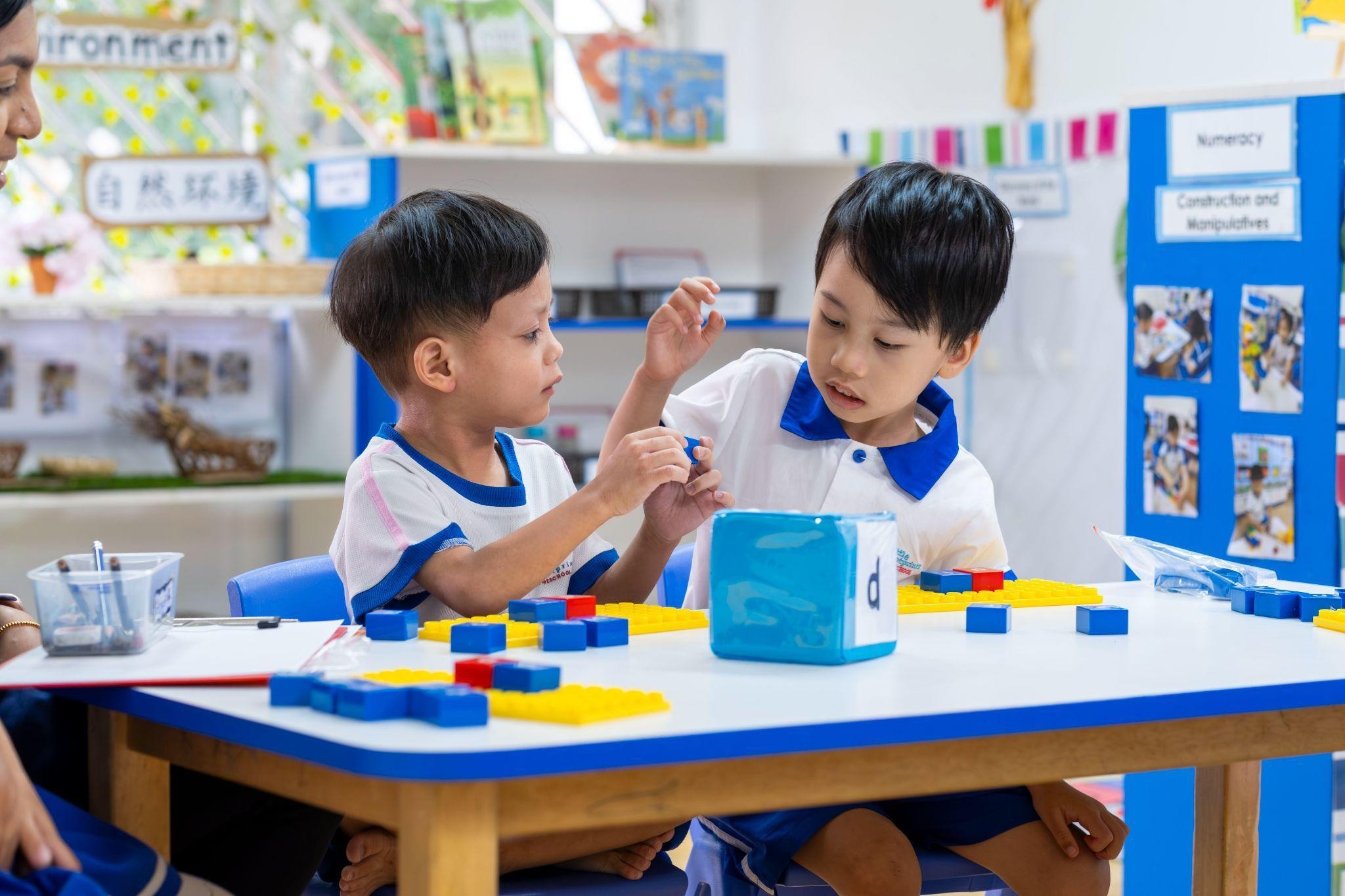
There is a moment many parents do not anticipate. The child who spent months excitedly telling everyone about the baby is now sulking at the edge of the room, pushing the pram, or suddenly unable to dress themselves again. Nothing has gone wrong, but something significant has changed.
Sibling rivalry in the early years is not a sign of a troubled child or failed parenting. It is a developmentally normal response to one of the most significant disruptions a young child will ever face. The goal is not to eliminate the rivalry but to help the older child feel secure enough for a real sibling relationship to grow.
Why the Older Child Struggles: Understanding the Psychology of Sibling Rivalry
From the older child's perspective, a new sibling is not an addition. It is a restructuring of everything familiar: routines, attention, physical space, and their unquestioned place at the centre of their parents' world.
Understanding the psychology behind sibling rivalry starts with the developmental context. Preschool-age children between 2 and 5 do not yet have the cognitive tools to abstractly process this level of change. They express it through behaviour: clinginess, aggression, withdrawal, or regression. Toilet training setbacks, baby talk, and thumb-sucking are common effects of sibling rivalry at this age and are temporary. They are requests for reassurance, not steps backwards.
Before the Baby Arrives: Preparing Your Preschooler
The period before the baby arrives can thus be the most valuable window parents have, not to prepare the house, but to prepare your child.
Involve the older child in the story by letting them help choose something for the nursery, feel the baby move, or pick out a small gift. Be honest about what a newborn is actually like: mostly sleeping, not yet able to play. Avoid over-promising as that creates expectations that reality will quickly undo.
Also, establish a named, predictable ritual of one-on-one time before the baby comes. Naming it gives it an identity that survives the arrival. And where possible, avoid stacking transitions, starting preschool, moving bedrooms, or dropping a nap alongside a new sibling multiplies the sense of disruption significantly.
Picture books also help. There's a House Inside My Mummy by Giles Andreae, Za-Za's Baby Brother by Lucy Cousins, and The New Small Person by Lauren Child all centre the older child's experience in ways that open conversation gently.
After the Baby Arrives: How to Help the Older Child Feel Secure
All the preparation in the world might not fully soften the moment the baby actually arrives. What matters now is consistency, making sure the things you put in place before the birth continue to hold.
Let them lead the relationship with the baby. "Would you like to hold the baby's hand?" is an invitation. "You need to be gentle" is a correction. The first builds connection; the second builds resentment.
Name the ambivalence directly. "It is hard when the baby needs so much" is more powerful than "You will love your sister when she is bigger." Validating the feeling is what allows it to resolve. And if behaviour changes appear at preschool, tell the educators. A small piece of context can make a meaningful difference to how they respond.
How to Manage Sibling Rivalry as Both Children Grow
As the younger child becomes mobile and develops preferences, dealing with sibling rivalry takes on a different shape. Siblings fighting over toys, space, and attention is normal, but how parents respond shapes the long-term dynamic.
Avoid comparisons. "Why can't you be patient like your sister?" entrenches rivalry by positioning siblings as competitors. Every comparison, positive or negative, does the same. Knowing how to stop sibling rivalry from calcifying into something more entrenched starts with protecting each child's individual identity: separate pursuits, separate spaces, relationships that are distinctly their own.
However, not every conflict needs adult intervention. Stepping back and letting siblings negotiate minor disagreements, with a parent nearby but not directing, builds conflict-resolution skills that will serve them for life.
How Little Footprints Preschool Supports Children Through Family Transitions
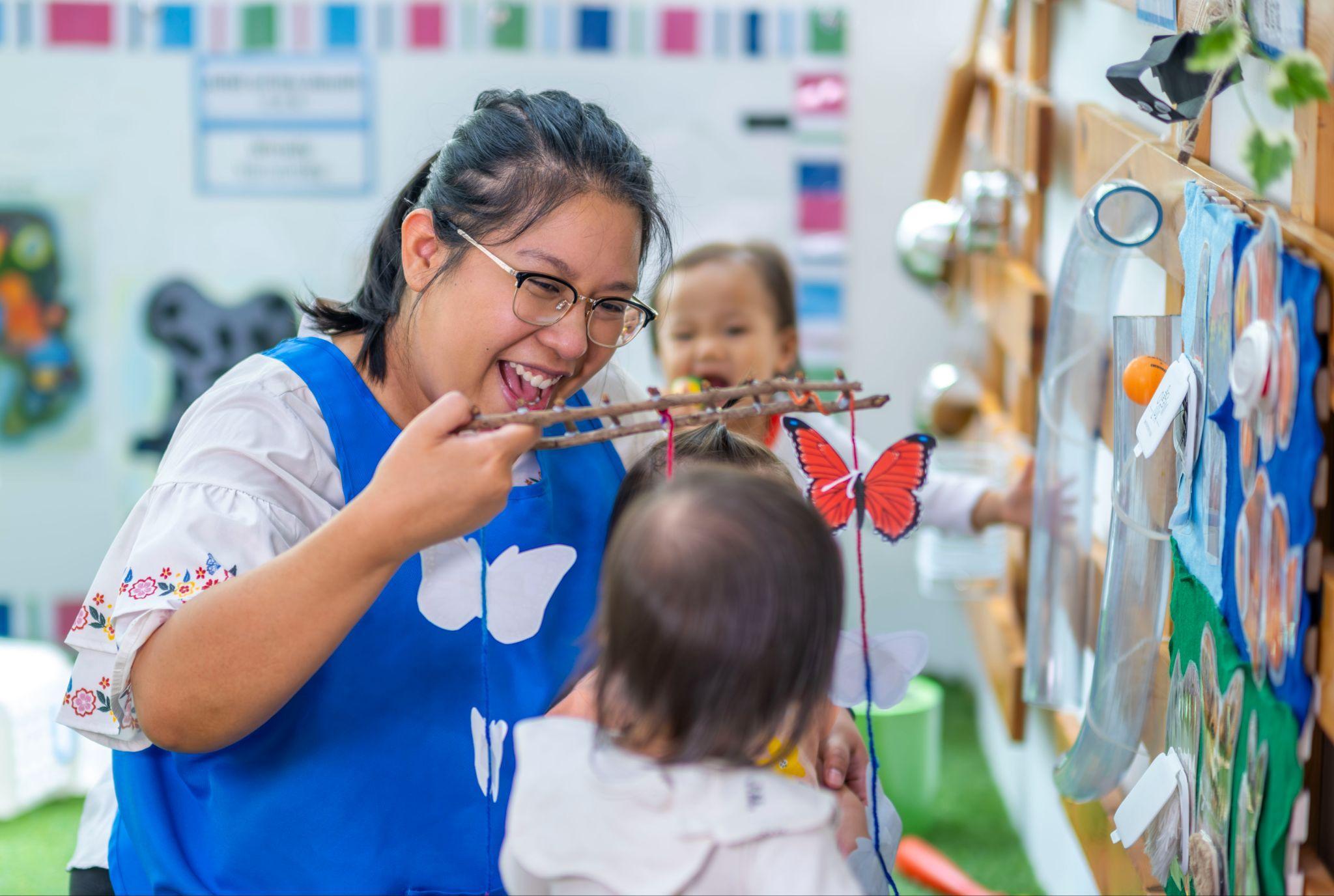
Our educators are attentive to changes in a child's home environment. When a new sibling arrives or is expected, the social-emotional learning framework at Little Footprints: self-regulation, empathy and conflict resolution, provides children with exactly the skills needed to navigate the complexity of sibling relationships.
We encourage parents to share this context with their child's teacher. As an early childcare centre committed to genuine home-school partnership, we tailor our support to what each child is experiencing beyond the classroom walls. Families exploring our programmes can also ask our team about childcare programme subsidy options to ensure quality care remains accessible.
The sibling relationship is one of the longest your child will ever have. The early years of rivalry and adjustment are not the whole story. They are simply the beginning.
Looking for a preschool that partners with your family through every transition, big and small? Book a tour or join us at an upcoming Open House. We would love to meet your family.


