Starting primary school is a major milestone — one that brings excitement, curiosity, and perhaps a few nerves for both children and parents. It’s a big step into a new world of routines, friendships, and structured learning.
But readiness for Primary 1 doesn’t develop overnight. It begins years earlier, in preschool, where children pick up the social, emotional, and foundational skills that prepare them for the next stage of learning.
What Does Primary School Readiness Really Mean?
In Singapore, readiness for primary school goes beyond knowing letters and numbers. Teachers appreciate children who are familiar with classroom routines, able to express themselves clearly, and comfortable working and playing with others.
In other words, school readiness includes:
Self-management skills – being able to handle personal belongings and follow simple daily routines.
Social-emotional growth – learning to cooperate, share, and adapt to group settings.
Early literacy and numeracy foundations – recognising sounds, letters, numbers, and patterns.
Confidence and curiosity – the willingness to explore, ask questions, and learn from experience.
These abilities, nurtured in the preschool years, give children a steady footing for the more independent learning style that primary school requires.
How Preschool Learning Prepares Children for Primary School
The early years are where lifelong habits begin. Through structured play, guided discovery, and caring encouragement, preschool lays the groundwork for how children think, learn, and relate to others.
1. Building Strong Foundations Through the I.D.E.A. Framework
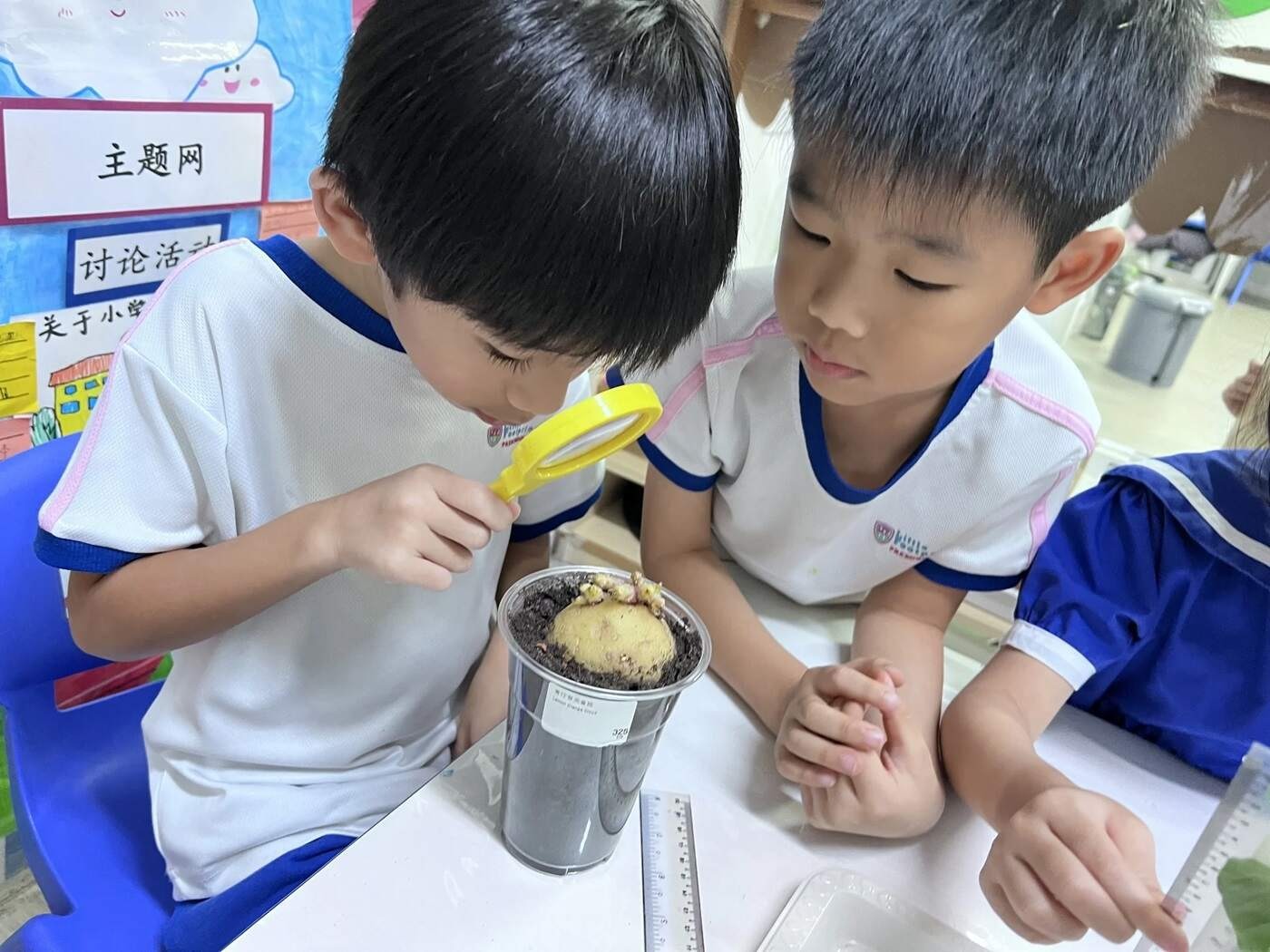
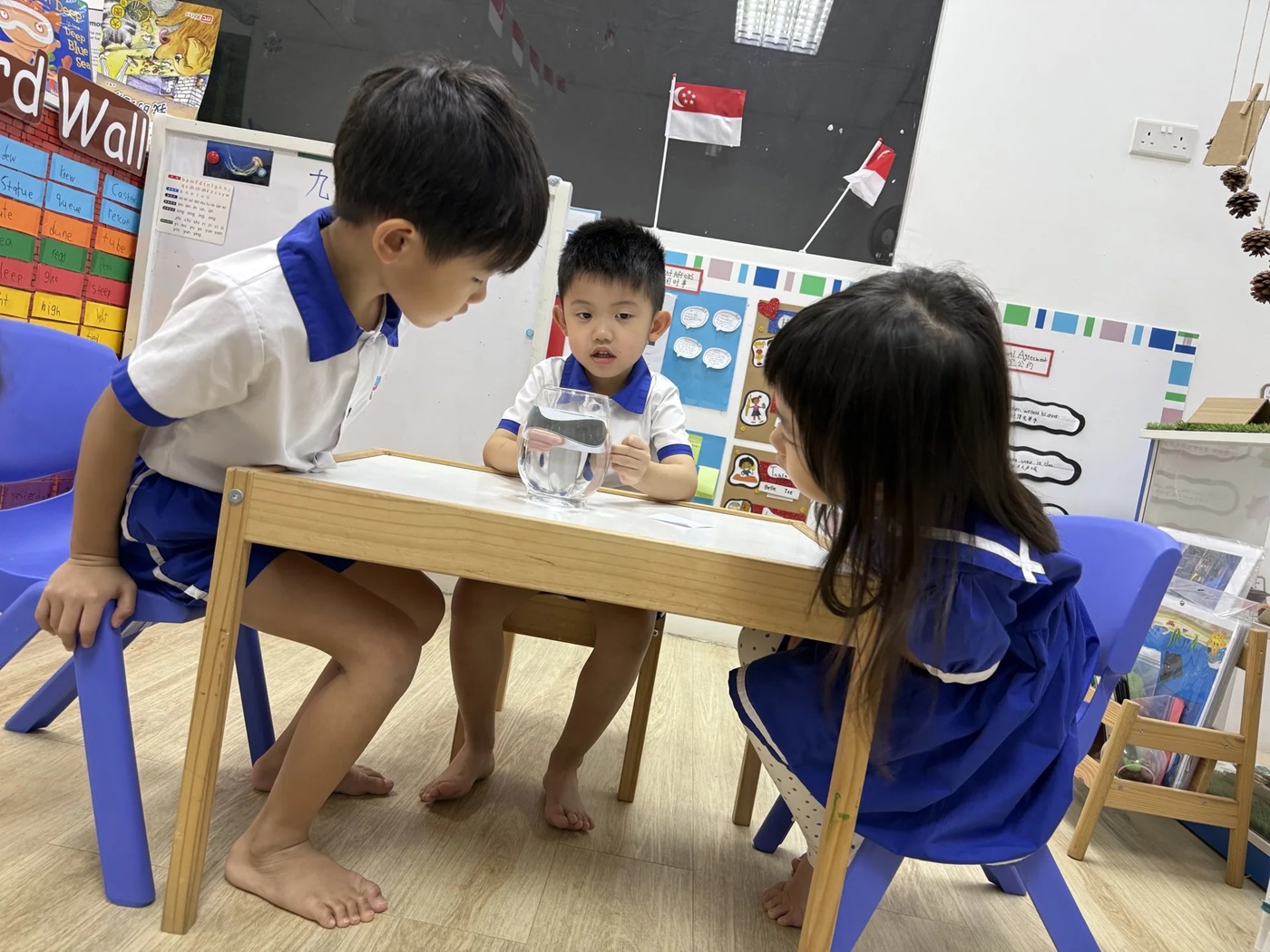
At the core of our programmes is the I.D.E.A. framework — Inquiry, Discovery, Exploration, and Application. This approach helps children connect curiosity with understanding, and learning with doing.
- Inquiry sparks questions and encourages children to wonder about the world.
- Discovery allows them to make sense of what they see through guided exploration.
- Exploration inspires creativity and flexible thinking.
- Application helps them use what they’ve learned in practical, everyday contexts.
This balance of questioning, experimenting, and applying knowledge mirrors how lessons are taught in primary schools today, building a seamless bridge between early childhood and formal education.
2. Developing Core Academic Readiness
Preschool introduces the building blocks for language and numeracy in playful, engaging ways.
Children strengthen early literacy through phonics, storytelling, and conversation — building confidence in reading and expression. Numeracy concepts are explored through counting games, shapes, and problem-solving tasks that make abstract ideas tangible.
These experiences ensure that when structured lessons begin in Primary 1, children approach them with familiarity and enthusiasm rather than anxiety.
3. Encouraging Self-Management and Responsibility
A big part of adjusting to primary school is learning to manage oneself. Preschool routines gently introduce this independence — from packing their own bags and tidying up to following class schedules and simple instructions.
These small, consistent practices help children develop discipline and time awareness, skills that are essential when they begin managing homework and school timetables later on.
4. Strengthening Social-Emotional Competence
Classrooms thrive when children can collaborate and express emotions appropriately. Preschool offers the ideal setting to practise these social-emotional skills.
Through group play, cooperative projects, and daily interactions, children learn empathy, patience, and teamwork. Teachers model respectful communication and guide children to recognise feelings — both their own and others’.
This emotional grounding helps children navigate friendships, build resilience, and feel secure in new environments like primary school.
5. Nurturing Confidence Through Experiences Beyond the Classroom
Confidence grows when children are given opportunities to explore the world around them. Learning journeys and community activities are an integral part of our preschool experience — helping children connect classroom lessons with real-life understanding.
Excursions such as visits to the neighbourhood fire station, supermarkets, libraries, or local parks give children a sense of independence and adventure. They learn to observe, ask questions, and interact politely with people outside their familiar circle.
Community involvement is also encouraged through projects that promote teamwork and care — from recycling drives to neighbourhood appreciation activities. These shared experiences help children develop self-belief, empathy, and pride in contributing to their community — the very qualities that shape confident, well-rounded learners.
The Right Preschool Foundation Makes All the Difference
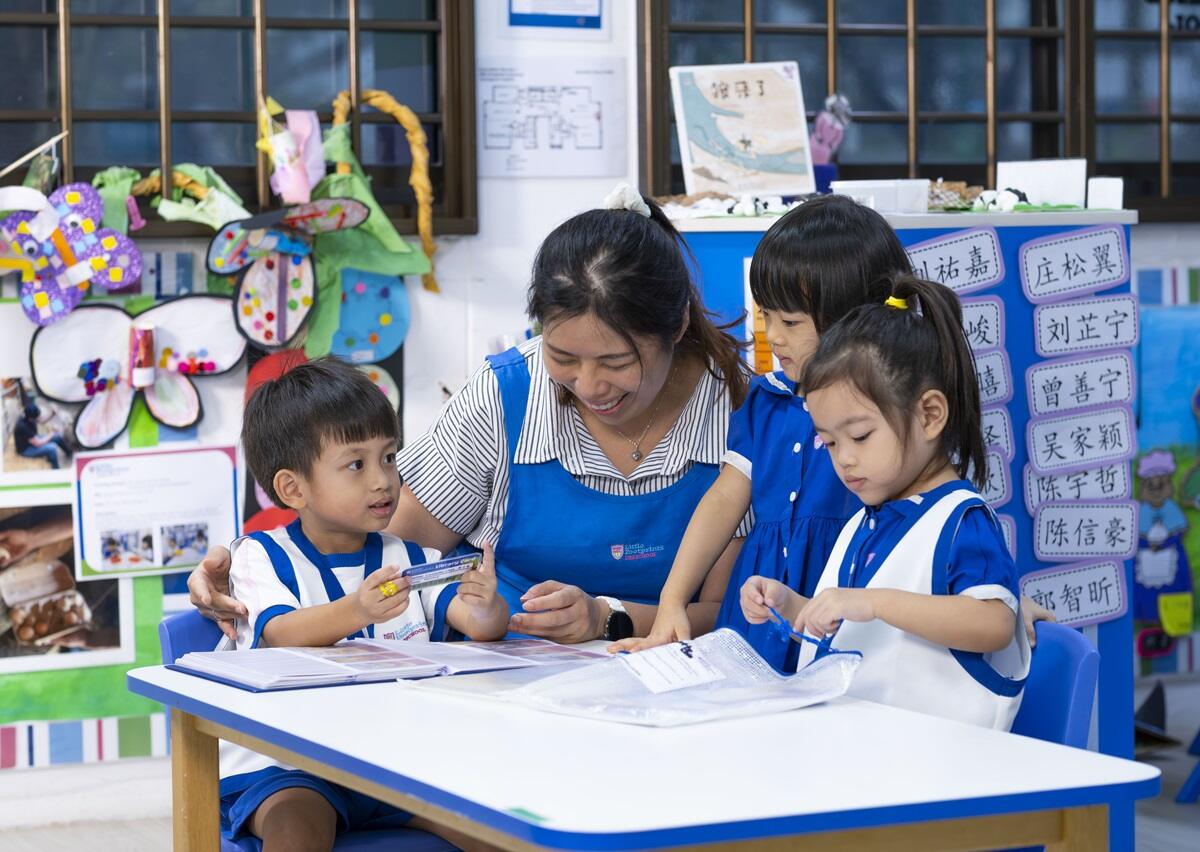
A strong preschool foundation equips children not only with knowledge but also with confidence, curiosity, and resilience — everything they need to take on primary school with enthusiasm.
Through our I.D.E.A. framework and thoughtfully designed programmes, Little Footprints Preschool nurtures the academic, social, and emotional skills that prepare children for the exciting years ahead.
👉 Book a centre tour to explore our learning spaces and discover how our programmes help your child build the right foundations for a smooth and confident transition to primary school.
Follow us on social media to stay updated on our latest updates and happenings:


