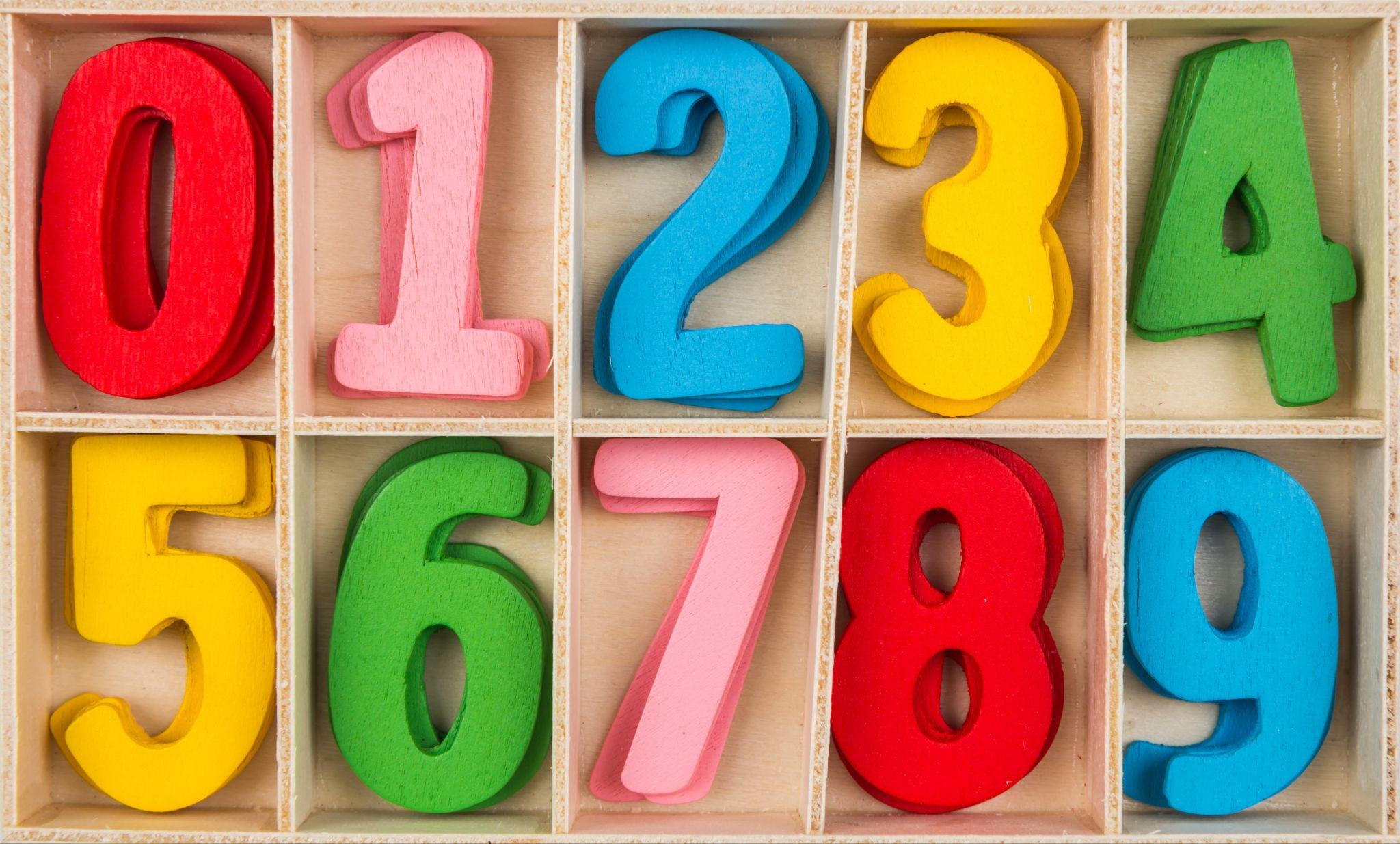
Many parents assume preschool math is simply about reciting numbers from 1 to 20. The real magic, however, lies much deeper than that. Number sense is the DNA of all future mathematical success, the invisible foundation beneath every calculation, word problem, and logical leap a child will ever make.
So, What is Number Sense & Why Does It Matter for Preschool and Kindergarten Math?
Number sense is a child's intuitive understanding of what numbers mean, how they relate to one another, and how they can be used flexibly to make sense of the world. It is less about memorising sequences and more about genuinely feeling quantities.
It has three core components: number alignment, subitising and magnitude. Number alignment is the understanding that 3 is more than 2 but less than 5, that numbers exist on a spectrum with meaningful relationships between them. Subitising is the ability to recognise small groups of items instantly, without counting, the same skill you use when you glance at the dots on a die and just know it is a four. Magnitude is the grasp of concepts like more, less, bigger, and smaller, the language of comparison that underpins all measurement and estimation.
Together, these form the bedrock of confident, flexible mathematical thinking and the difference between a child who merely knows their numbers and one who truly understands them. Preschool and kindergarten math built on this kind of genuine understanding, rather than rote memorisation, is what prevents the "math anxiety" that sets in when children encounter their first word problem with no logical framework to fall back on. It moves children from recalling answers to reasoning toward them, a shift that allows them to tackle increasingly complex math topics for preschool and beyond, adapting their thinking as the problems grow harder.
How to Develop Number Sense at Home
The good news is that developing number sense does not require flashcards or worksheets. For preschool toddlers, especially, who learn best through the familiar and the tangible, everyday life offers more than enough.
Sorting groceries by size, weight, or shape builds early classification skills. Measurement invites children into the kitchen while pattern spotting turns any walk into a math lesson. Estimation games ("How many steps to that tree?") build magnitude and a healthy appetite for approximation. And something as simple as setting the table, one fork for every plate, introduces one-to-one correspondence, one of the most foundational concepts in early preschool math.
As children move into kindergarten math, the activities can grow with them, a little more challenging, but just as playful.
"I Spy" with a number twist ("I spy something that comes in a group of three") sharpens subitising in a game children already love. Dice and domino games are also excellent number sense activities for kindergarten, building instant quantity recognition through repetition that never feels like drilling. Movement-based counting, jumping five times, and clapping three times connect abstract numbers to the body, making them stick. And collecting loose parts such as buttons, shells, or stones during outdoor play to create "number stories" ("There are six shells. If two wash away, how many are left?") brings mathematical thinking to life in the most natural way imaginable.
The Foundation of Future Innovators
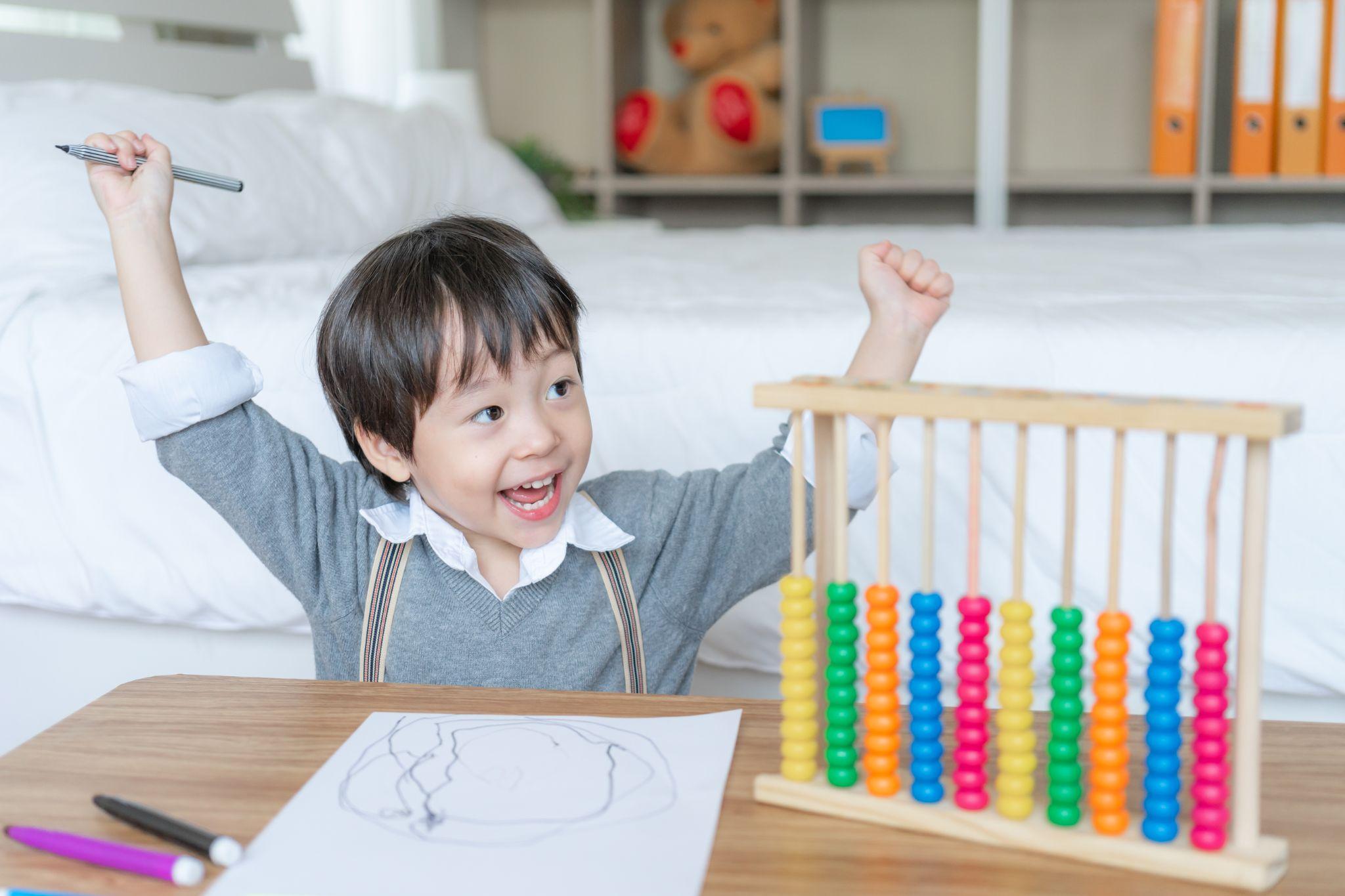
At Little Footprints Preschool, we believe we are not just teaching children to calculate, we are teaching them to think. Number concepts, patterns, shapes, and logical reasoning are introduced through games, manipulatives, and real-world problem-solving, woven naturally into art, music, and storytelling throughout the day. For our children, math is not a subject confined to a lesson. It is a way of seeing the world.
When a child truly develops number sense, the numbers on a page become something richer, patterns, relationships, and a quiet logic that makes the world make sense. And that understanding, built through play and curiosity in the earliest years, stays with them for life.
Want to see how we turn everyday play into foundational math skills? We invite you to explore our preschool in Singapore at our next Open House. Book a tour at a centre near you and find out about our childcare centre in Singapore.


