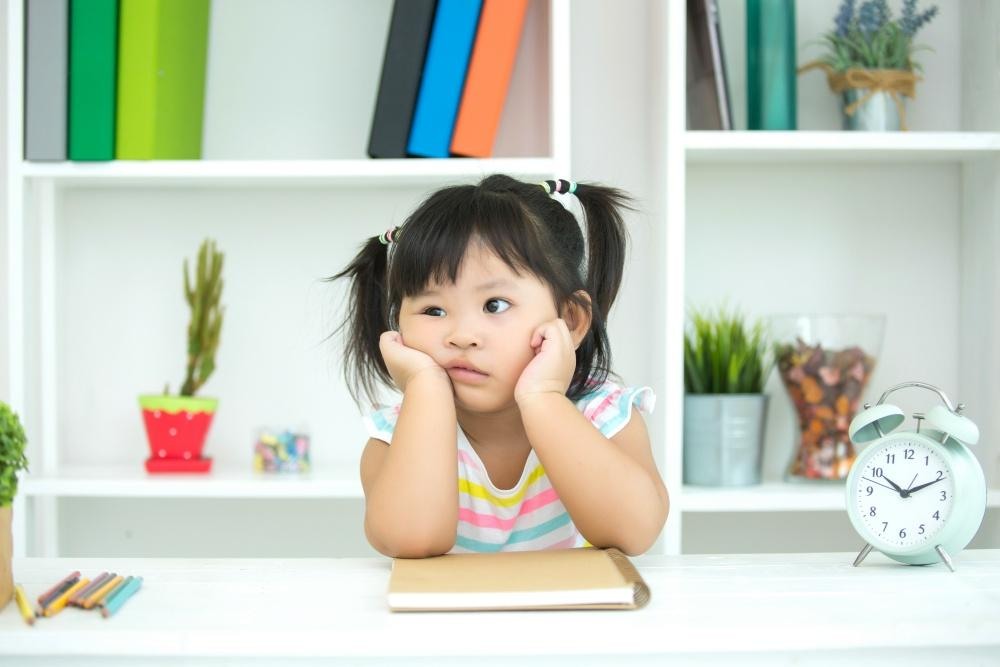
Boredom is a vital, healthy experience for children. Far from being a problem to solve, it fosters creativity, independence, and emotional regulation in ways that structured activities simply cannot replicate. When children are given the space to experience "nothing to do," they are compelled to imagine, problem-solve, and discover what they genuinely enjoy, without relying on an adult or a screen to lead the way.
When there are no plans, no activities, and no schedule, the restless pacing begins, and your parental instinct kicks in. You may reach for a device or suggest a toy to fill the silence. But what if that moment of nothingness was actually an invitation to something far more valuable than entertainment?
In an era of constant stimulation, boredom is widely misunderstood. It isn't a void to be filled. It is the soil in which a child's imagination grows. Learning to sit with stillness is not a failure of planning, but a vital life skill. Today, we'll explore the benefits of boredom and what "doing nothing" can quietly teach a child.
The Science of the "Wandering Mind"
Understanding what ennui is helps reframe it entirely. That feeling of listlessness isn't a problem, but rather a signal that the brain is ready to shift from receiving to creating. Research in neuroscience shows that the brain actually "lights up" and begins problem-solving when it is freed from external tasks. Far from switching off, the mind begins to connect ideas, explore possibilities, and imagine.
This is why boredom forces a child to look inward. When there is nothing to do, a cardboard box becomes a rocket ship. A stick becomes a magic wand.
Key Benefits of Boredom for Early Development
Understanding why boredom is good for kids changes how you respond to it. Boredom can actually teach them:
- Internal Entertainment: Children learn what to do in free time without relying on an adult or a device to provide the fun, building self-reliance from the inside out.
- Problem-Solving: Boredom presents a problem the child must solve themselves, quietly building cognitive independence.
- Emotional Regulation: Sitting with an uncomfortable feeling builds patience and a calmer temperament over time.
- Identity Formation: Unscheduled time lets children discover what they genuinely enjoy, away from the structured expectations of the day.
How to Learn to Be Bored: A Practical Guide for Parents
Knowing how to support your child through boredom is simpler than it sounds. Here are a few small shifts in approach that can make a big difference:
- Resist the "Fix-It" Urge: Acknowledge the feeling ("I hear you, you're looking for something to do") without immediately providing a solution.
- Offer Open-Ended Materials, Not Activities: Building blocks, art supplies, or a pile of cushions invite invention. A "Boredom Jar" of loose prompts works too; the key is leaving the direction to them.
- Validate Daydreaming: Staring out of the window is not wasted time. For a growing mind, it is some of the most productive work of the day.
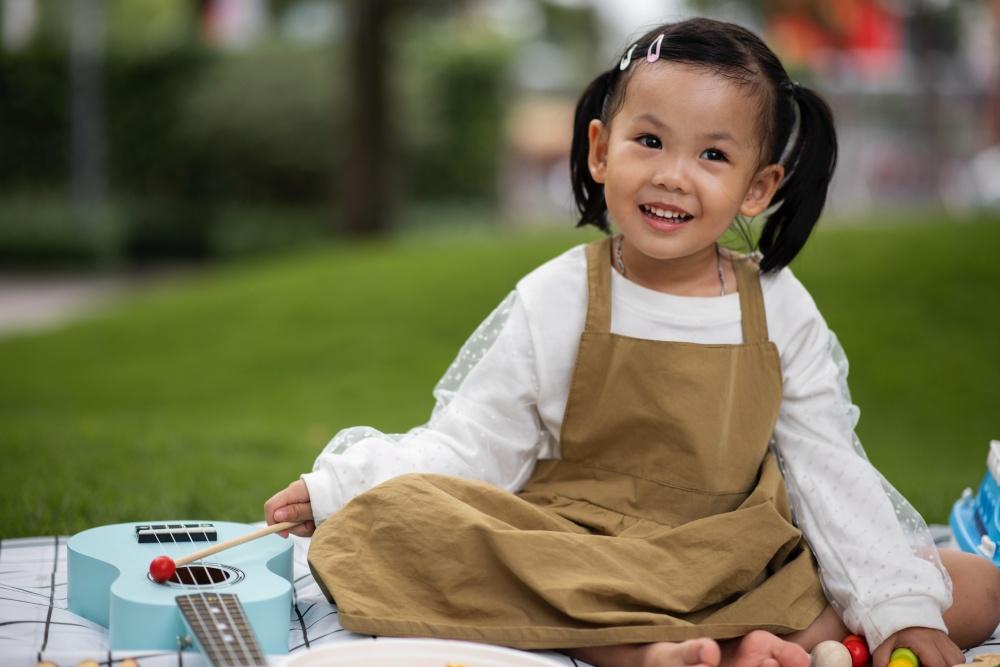
Balancing Structure and Space at School
The best preschools in Singapore understand that a well-designed learning environment includes quiet corners and pockets of unstructured time. At Little Footprints Preschool, our curriculum balances guided lessons with free-choice intervals during which children follow their curiosity at their own pace. When children are given the space to lead, they negotiate, invent, and surprise us every single time. Whether at our preschool in Yishun, our preschool in Ang Mo Kio, or across our wider network with more that 40 locations, this balance between structure and freedom sits at the heart of how we teach.
Take the First Step to Raising Resourceful Humans
Our goal isn't to raise children who are always busy. It is to raise children who are comfortable in their own company, who can sit with stillness and find something wonderful in it. By giving them the gift of boredom today, we are giving them the creativity and resilience they will need for a lifetime.
Curious about how we balance structured curriculum with the space for independent discovery? We'd love to show you our classrooms. Book a school tour today to see our approach to early childhood education in action.


