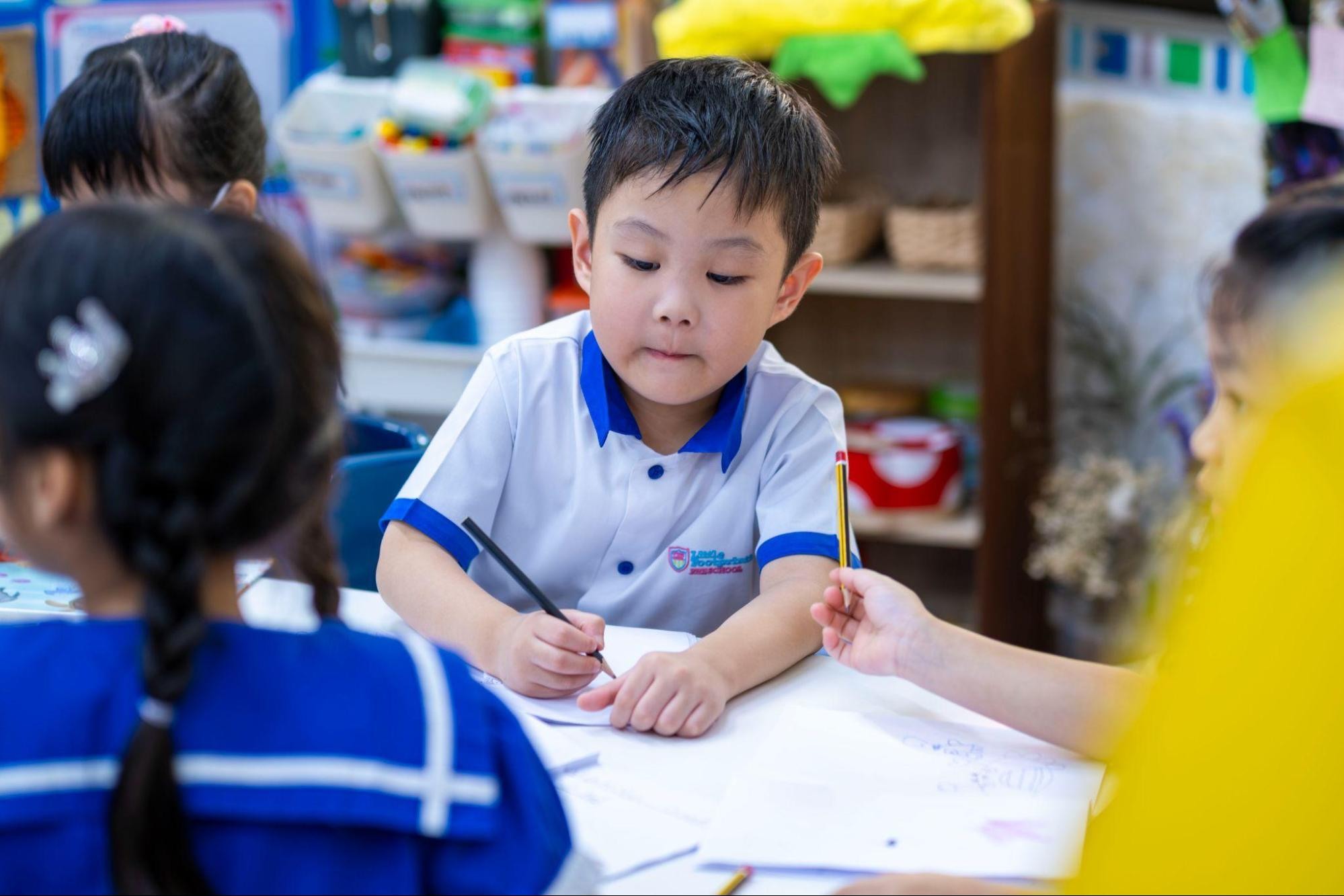
Before a child writes their first word, before they trace their first letter, there is a quieter skill being built: the way their small fingers learn to hold the tool. Most parents naturally focus on letter formation, which makes sense, but a comfortable pencil grip is where confident writing begins. Think of it less as a technique to drill and more as a habit to grow, gently and gradually, with the right support. The good news is that with a few simple tricks up your sleeve, getting there can feel a lot more like play than practice.
Key Types of Pencil Grips
Not all pencil grips are created equal. Some support fluid movement and reduce hand fatigue over time, while others can quietly hold a child back if they settle into a habit. Here are the four functional grips worth knowing about:
- Dynamic Tripod (Ideal): The pencil is held at the tips of the thumb, index finger, and middle finger, resting in the natural webspace between thumb and index finger. This is the gold standard; it gives children the most control and the least strain across the page.
- Dynamic Quadrupod: Much like the tripod, with the ring finger added for a little extra stability. Some kids naturally land here, and for many, it works just as well.
- Lateral Tripod: The pencil rests along the side of the thumb, held down by the index finger, with the middle finger supporting from below. Less fluid than the dynamic tripod, but still a functional grip for most writing tasks.
- Lateral Quadrupod: A variation of the lateral tripod that brings in the ring finger for added steadiness. This one tends to show up in older children as their hands grow stronger and writing demands increase.
Common Improper or Immature Pencil Grips
These grips are a completely normal part of early development, so there’s no need to worry if you spot them. That said, they’re worth gently addressing before they become the default, because early habits have a way of sticking around:
- Fist or Palmar Grasp: The whole hand wraps around the pencil, toddler-style. Perfectly expected in very young kids, but usually ready to be phased out by around age five.
- Thumb Wrap: The thumb crosses over the top of the pencil rather than resting beside it. This restricts the small, precise movements that writing needs and often leads to a tired hand during longer tasks.
- Five-Finger Grasp: All five fingers get involved, which tends to result in low control, limited precision, and a grip that makes it hard to build any real writing stamina.
Pencil Grip Tips for Kids
The good news is that helping your child find a comfortable grip doesn’t require worksheets or drills. These are the same simple, hands-on tips used across quality preschools in Singapore, and at home, they make the whole process feel like a game:
Practise the Pinch and Flip
This is one of the easiest ways to guide small fingers into the right position from the start. Lay the pencil flat on the table with the tip pointing toward your child, then ask them to pinch it near the tip using their thumb and index finger. From there, they simply flip the top end back so it rests naturally against their middle finger. Done a few times, it builds the muscle memory for a tripod grip without any of it feeling like a lesson.
The "Snappy" Alligator
This one turns grip practice into something children actually want to do. Ask your child to make an alligator mouth with their thumb and index finger, open it wide, then snap it shut onto the pencil just above the tip. The ring and little fingers tuck neatly underneath for balance. The alligator image gives kids something fun and memorable to come back to whenever their grip starts to wander, and it usually does the trick.
Go Small With Their Tools
Try swapping out full-length pencils and crayons for shorter alternatives: broken crayons, golf pencils, or short triangular pencils all work beautifully here. The reduced length makes a fist grip physically awkward, which gently nudges little fingers toward the correct position without a single correction needing to be said out loud. Sometimes the right tool simply does the teaching for you.
Loop a Hair Tie as a Guide
Place a small hair tie around your child's index finger and thumb to create a loop, then slide the pencil through it. The loop holds the fingers in a stable, pinched position throughout the writing session, making the correct grip feel familiar before your child has to hold it on their own. It’s a simple trick that bridges the gap between needing guidance and building the habit independently.
Tips for Success
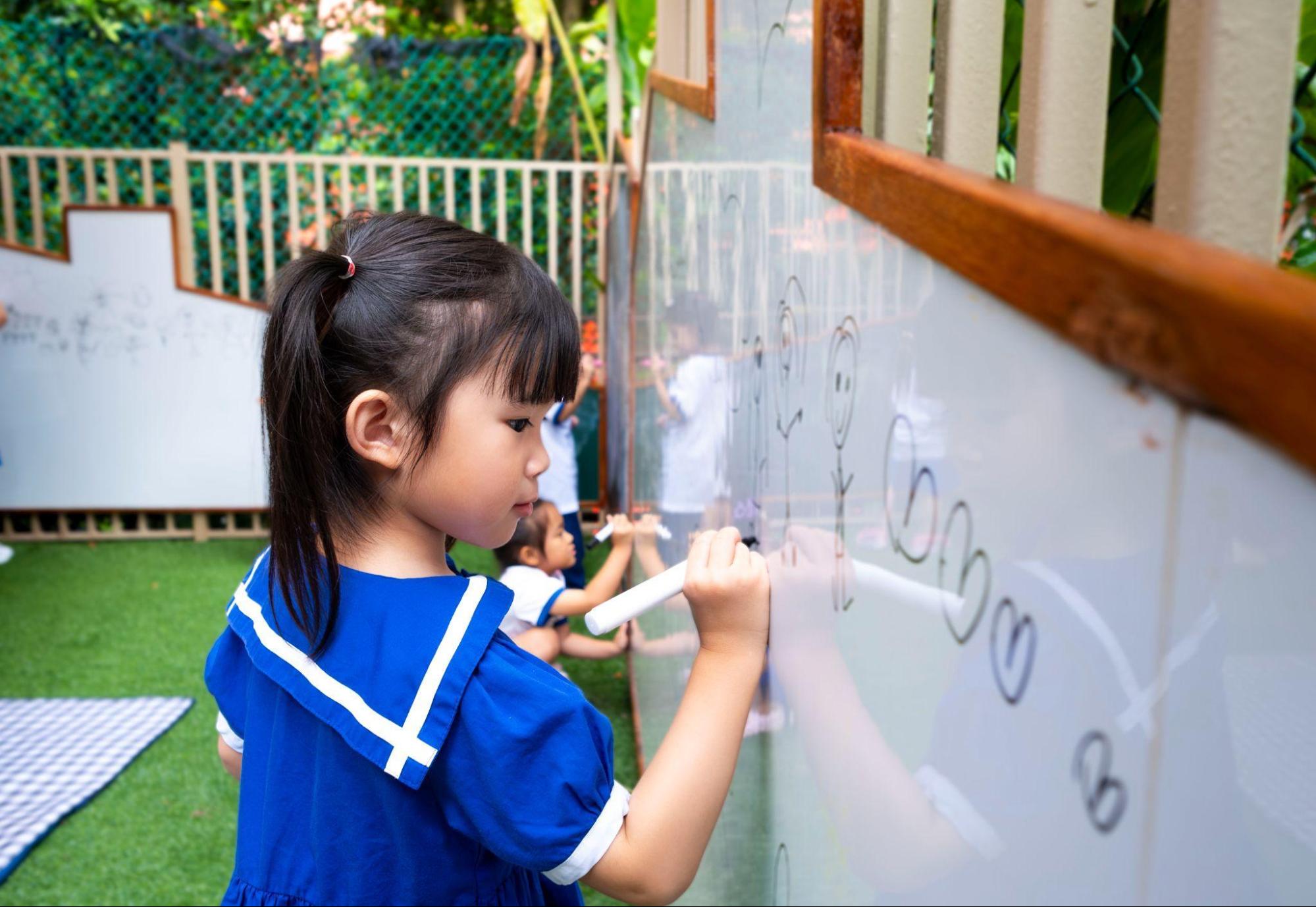
A little consistency and a lot of encouragement go a long way. Here are some practical ways to support your child at home:
- Use Visuals: A small sticker or a dot of marker on the pencil shows exactly where the thumb and index finger should sit. A visual cue like this often lands better than a verbal reminder, especially with younger kids who are still building body awareness.
- Keep Sessions Short and Enjoyable: Brief, positive practice like tracing lines, drawing shapes, and colouring freely builds grip strength far more effectively than long, pressured drills. Five engaged minutes beat twenty reluctant ones every time.
- Check How They’re Sitting: A good grip starts with a comfortable seat. Feet flat on the floor, the pencil resting on the inner edge of the middle finger, and angled toward the shoulder rather than pointing straight up; these small adjustments make writing feel noticeably easier.
- Build Hand Strength Through Play: Activities like using tongs, squeezing playdough, playing with squirt bottles, and threading beads all strengthen the small muscles that a controlled pencil grip depends on. The best fine motor practice rarely looks like fine motor practice.
- Consider a Grip Aid: If the transition feels tricky, a pencil grip tool can provide useful tactile support while your child works through the early stages of building muscle memory for the correct position. Not a permanent fix, but a helpful bridge at exactly the right moment.
How Little Footprints Preschool Supports Your Child's Writing Journey
Learning to write is one of those milestones that goes further when home and school are working toward the same thing. At Little Footprints Preschool, our educators keep a close eye on each child's pencil grip and fine motor development, stepping in with gentle, playful guidance at exactly the right moment. The goal is never correction for its own sake; it’s making sure every child feels capable and supported as they grow.
Fine motor development is woven into our curriculum long before a pencil is formally introduced. Through art and craft, sensory play, and hands-on exploration, children are quietly building the physical foundations that writing depends on, often without realising it. By the time our children move on to primary school, they’re not just holding a pencil correctly. They’re approaching the page with confidence, control, and a genuine enjoyment of putting their thoughts down.
Want to see how we teach your child to hold a pencil? Whether you’re looking for a Yishun preschool, an Ang Mo Kio preschool, or a centre closer to home, we would love for you to see how we support your child's development from the very beginning. Book a school tour at a centre near you and take a look around.


