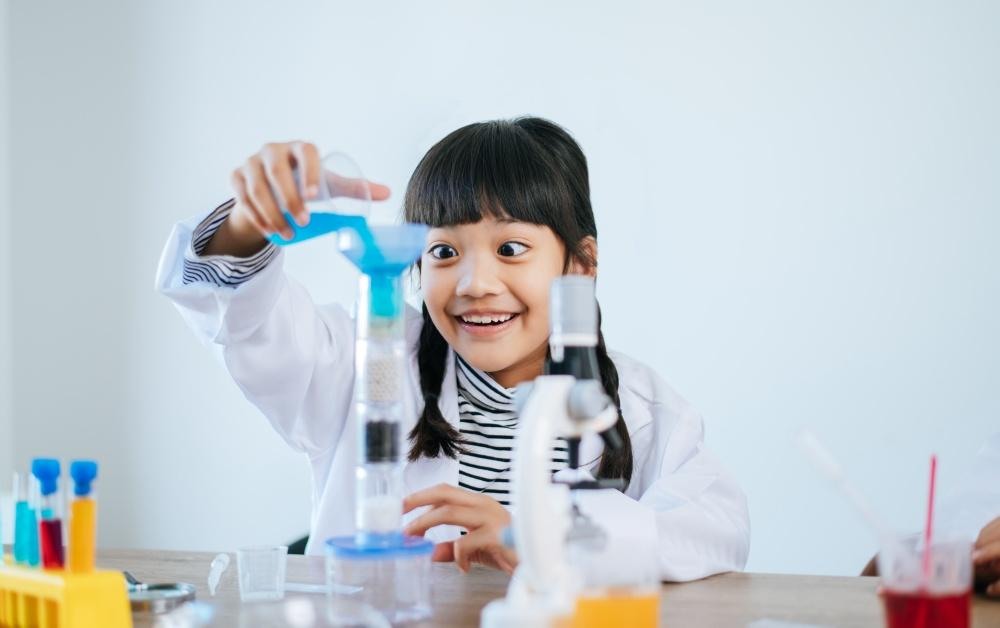
Imagine your child’s eyes widening as they watch a seed sprout or a rainbow form in a soap bubble. To a child, the world isn’t just a place to live, it’s a giant, unfolding experiment. That sense of wonder isn’t something to grow out of; it’s something to grow with as children learn to see the world through the lens of science.
Science isn’t about memorising periodic tables. At its heart, it’s about learning about the world around us. It’s about asking “Why?” and “What if?” and being brave enough to find out. At Little Footprints Preschool in Singapore, this belief sits at the core of our Sustainable Education® philosophy, where we view children as natural researchers, guided by neuroscience and global pedagogy to explore the world around them.
Why Science Learning Starts with “Wonder”
Science for kids is less about facts and far more about habits of mind. When children engage in inquiry-based discovery, they build critical thinking, persistence, and observation skills. These are the very tools that build a strong foundation for lifelong learning and support a confident transition to Primary 1.
Additionally, sensory-based discovery and experiential learning actively strengthen neural pathways in the developing brain, making hands-on learning one of the most powerful approaches in early childhood education.
Easy Science Experiments for Kids
The good news? You don’t need a laboratory. These science experiments for infants and preschoolers use everyday household items, making quality learning accessible for all:
For the Littlest Researchers (Infants)
These gentle activities introduce science concepts through the senses:
- Sensory Physics: During bath time, let your baby drop different objects into the water. This simple activity introduces early physics concepts and sparks curiosity about how the world works.
- Light and Shadow: Use a torch to cast shapes on the wall and watch your infant’s eyes track their movement. As the light shifts, shapes grow and shrink, becoming a magical first encounter with the science of light.
For the Preschool Scientists (Toddlers to K2)
As children grow, so can their experiments. These activities turn everyday moments into exciting science experiments for kids:
- The Celery Experiment: Place a celery stalk in coloured water and watch it change colour over a few hours. This simple activity helps children understand how plants “drink,” nurturing both scientific thinking and a sense of care for living things.
- Kitchen Chemistry: Combine vinegar and baking soda and watch the eruption begin. This classic experiment demonstrates chemical reactions in the most delightful, mess-worthy way imaginable.
Taking Learning Outdoors: Nature as the Third Teacher
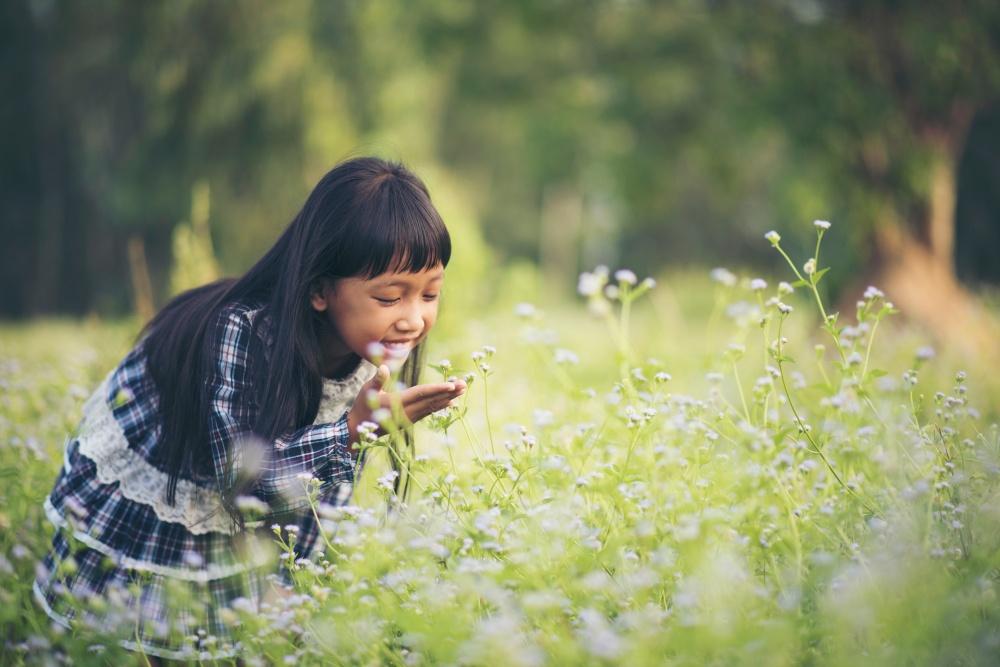
Nature is one of the richest classrooms available to us. Outdoor play gives children the opportunity to learn about the living, breathing world. From observing local biodiversity and testing gravity and force on the playground slide to noticing the world in motion, a simple trip can become a lesson. These moments of “science in the city” are free, spontaneous, and profoundly memorable.
Preparing Kids for a Future of Curiosity and Discovery
Knowing how to make science fun for kids isn’t just about entertaining them; it’s about raising the innovators and problem-solvers of tomorrow. Here’s how you can keep the curiosity alive at home:
- Be the Co-Researcher: Resist the urge to explain everything. Instead, ask, “What do you think will happen next?” and discover together.
- Embrace the Mess: Science is rarely tidy, and that’s the point. Messy play is a sign of deep cognitive engagement. So let your kids stir, splash, and explore freely.
At Little Footprints Preschool, we are committed to providing this high-value, global-standard education at every centre. Whether at our preschool in Yishun, our preschool in Ang Mo Kio, or across our network of centres island-wide, we ensure every child has the opportunity to learn, explore, and thrive.
Does your little one have a “Why?” for everything? Our classrooms are designed to answer them. Book an Open House visit to see our Sustainable Education® curriculum in action.


