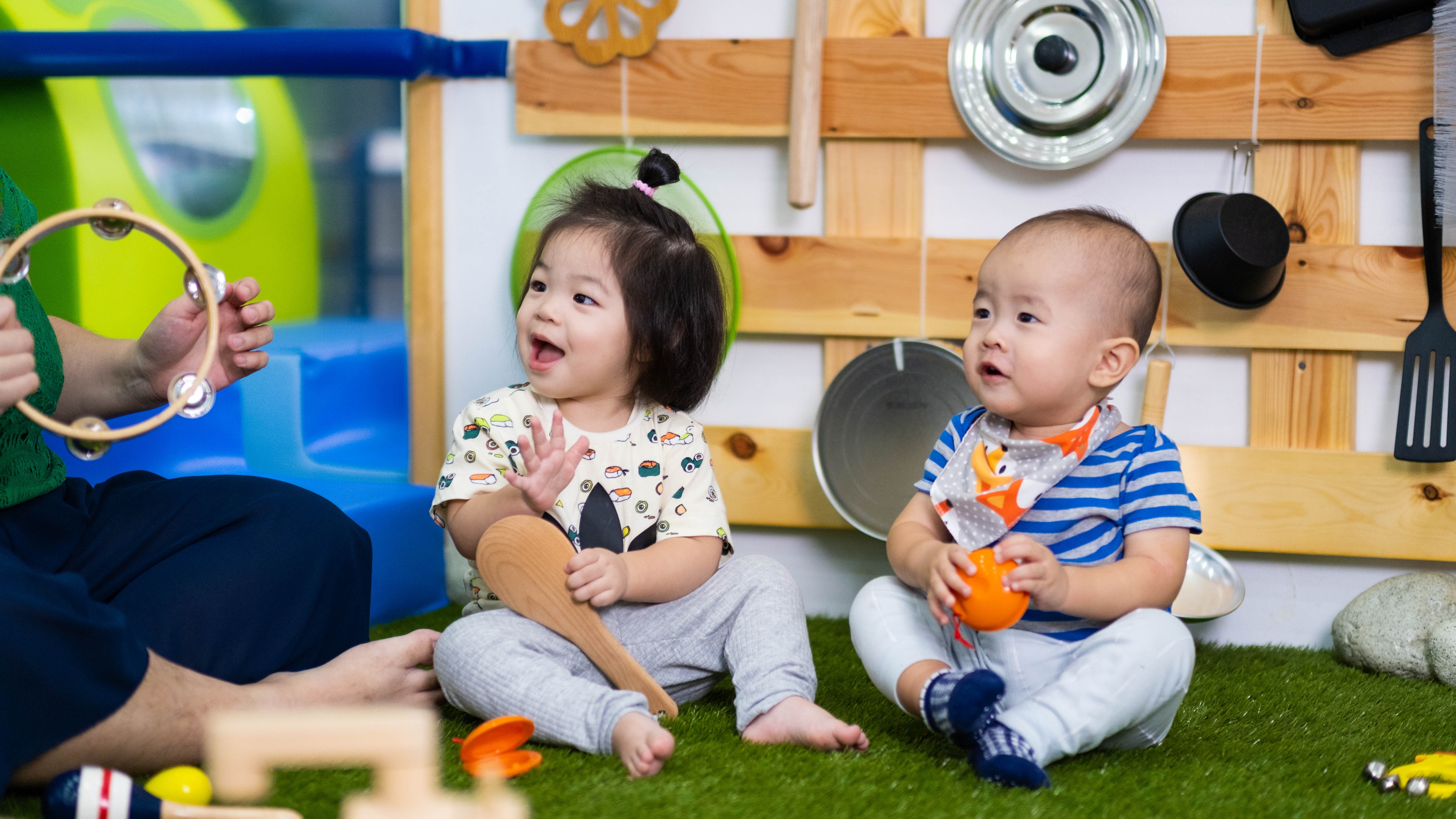
The importance of socialising infants is essential to a child’s overall healthy development. At infant care centres, babies interact with their peers and educarers. This marks the start of a child’s social skills development, a necessary life skill from his formative years.
Here are 8 reasons why socialisation in infant care centres play a crucial role in the early childhood years:
Benefits of Good Socialisation in Infant Care for Babies in Singapore
1. Early Social Skills Development
The little ones get to interact with their peers and educarers in a multitude of ways at infant care. There are structured and unstructured opportunities to allow infants to learn basic social skills such as sharing, taking turns, and cooperating.
Exposure to different personalities and temperaments teaches infants how to adapt and respond to various social cues. Babies in infant care centres have a safe environment to observe and grasp social dynamics.
2. Language and Communication Growth
Have you noticed babies babbling and cooing? These are considered non-verbal signs of speech. Through regular interaction with other children and adults, a baby's language acquisition and communication skills are sharpened.
Infants learn to express themselves and understand others, which is crucial for their overall cognitive development. Immersing in an interactive and engaging environment motivates children to pick up speech and language.
3. Emotional Development
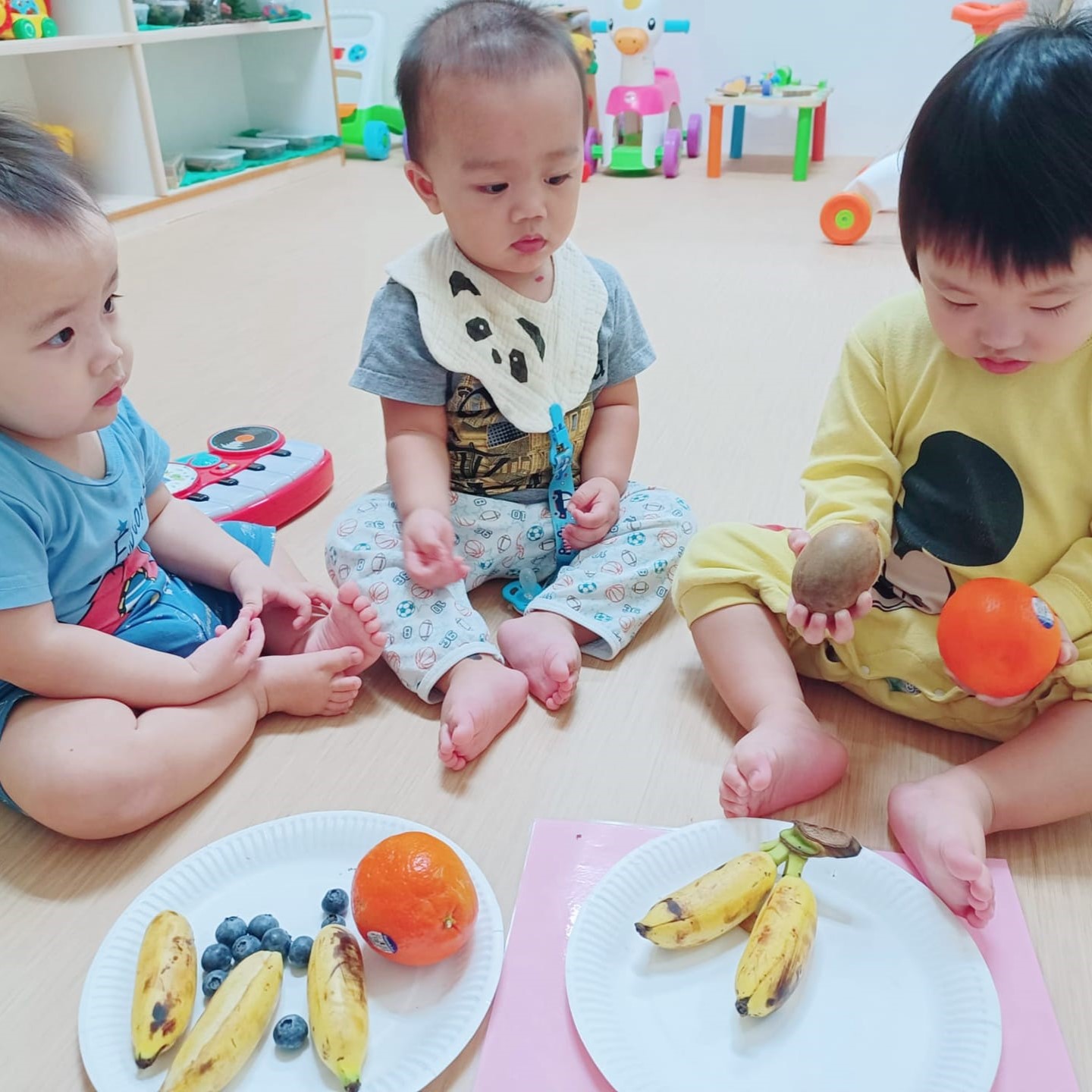
Socialising with peers helps babies develop empathy and understanding of others' feelings and temperaments. It provides opportunities for infants to experience a range of emotions in a safe and controlled environment like an infant care centre, helping them learn to manage and express their emotions appropriately. Socio-emotional development takes time to develop especially during the early childhood years and young children need the right support and settings to learn.
4. Building Confidence and Independence
Social interactions in a group setting encourage infants to explore and try new things independently. It helps them gain confidence in their abilities and fosters a sense of autonomy. Socialisation in infant care thus encourages and aids in building infants’ self-confidence and independence.
5. Exposure to Diversity
In a class with peers from a diverse background, culture, language and habits, little ones learn to appreciate and respect their differences. This early exposure to diversity promotes inclusivity and broad-mindedness, allowing them a glimpse of the real world by experiencing the social benefits of attending infant care.
6. Enhanced Problem-Solving Skills

Social interactions often involve problem-solving, whether it's resolving conflicts, learning that others have a different way of doing things or figuring out how to share toys. Such experiences and exposure help infants develop critical thinking and problem-solving skills.
Additionally, the infant care curriculum is likely to also include activities and tasks that stimulate and nurture these areas of development. Little ones learn to reason, broaden their cognitive abilities and develop ideas on solving problems that are not limited to just social or academic ones.
7. Preparation for Future Educational Setting
Early socialisation prepares infants for the social environment of preschool, primary school readiness and beyond. They learn to navigate in group settings, follow instructions, observe others, learn from their peers and participate in group activities, making the transition to formal education smoother.
8. Parental Support and Networking
Last but not least, socialising in infant care centres also involves meetings and interacting with other parents, providing adults with a healthy support network. Parents can share experiences, advice, and resources, creating a community that benefits the family.
The importance of socialisation in infant care is essential for child development
Infant care facilities and experienced infant carers go beyond meeting your child’s basic needs. By providing a safe and engaging space, babies learn and develop socialisation skills through diverse interactions. As professionals in early childhood learning, Infant Care educators at Little Footprints Preschools help foster baby’s key skills during his early years - especially socialisation - so that your child is well-prepared for society and beyond.
Book a centre tour at your nearest Little Footprints Preschool infant care centre to learn more.
Follow us on social media to stay updated on our latest updates and happenings:


