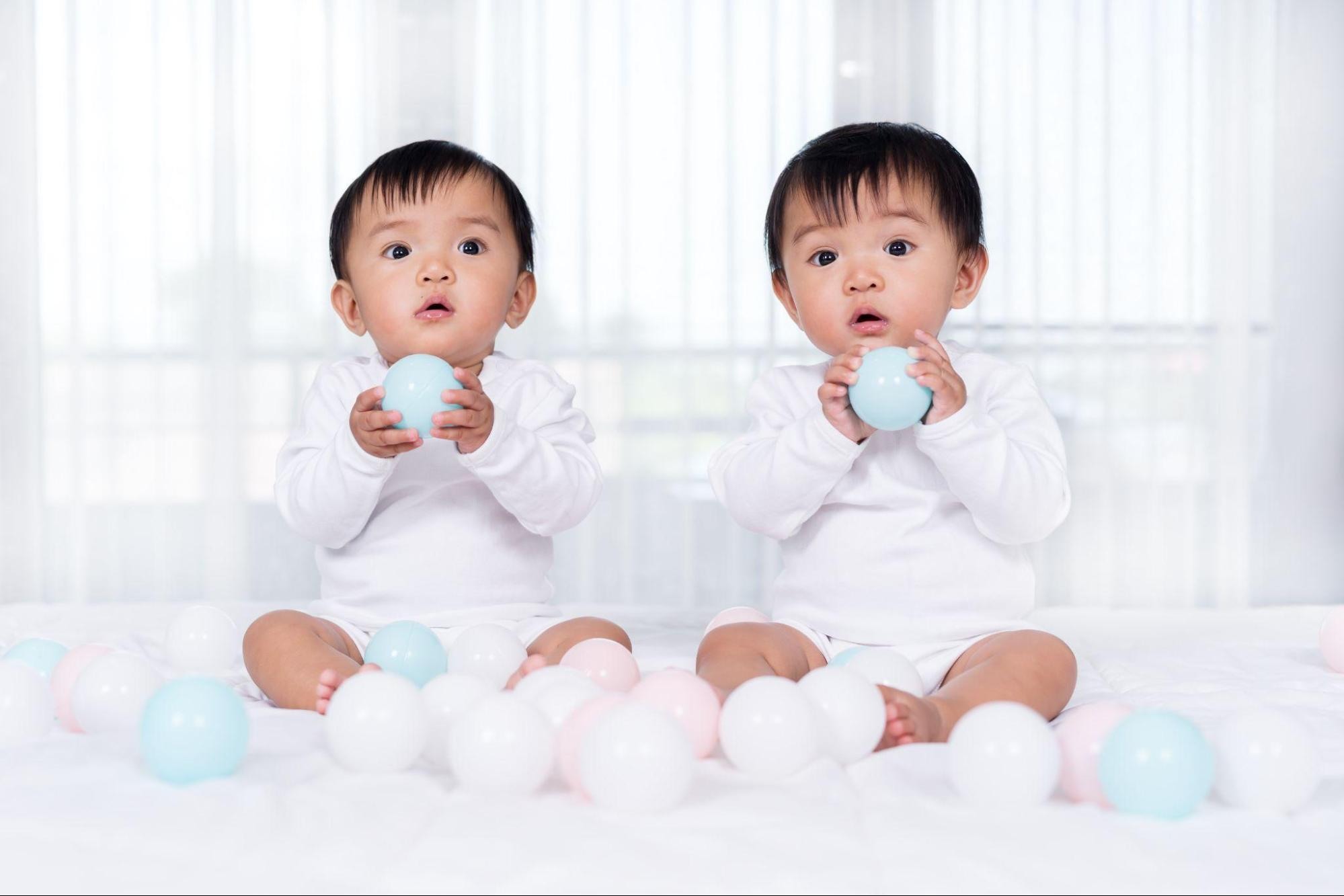
There is something quietly extraordinary about the moment a baby lifts their head for the very first time. While it may last only a second, in that moment, something important begins. Long before a child takes their first step or kicks a ball across a field, the body is already laying the groundwork for their gross motor skills.
These large-movement abilities, which involve the use of the body's largest muscles to sit, crawl, stand, and eventually run, are the foundation for all other learning. When children develop these skills early, everything else, focus, coordination, and even confidence, becomes easier.
This is precisely why Intentional Play is central to our infant and toddler programmes at Little Footprints Preschool. We believe that every reach, every roll, and every tumble is a child writing the first lines of their own story.
Why Gross Motor Skills Matter (Beyond Just Walking)
It's easy to think of gross motor development in purely physical terms, but the ripple effects go much further than most parents expect.
Core strength is where it starts. The same muscles that help a baby push up during tummy time are the ones that will, years later, allow them to sit upright at a classroom desk and sustain the focus that learning demands. Physical stability and academic readiness are more connected than they might appear.
Brain development is equally at stake. As babies move through space, reaching, rolling, and crawling, they actively build spatial awareness, teaching the brain to map the world in three dimensions. These early gross motor activities lay the neural groundwork for a whole range of later skills, from the fine motor skills needed for writing and drawing to the body control required for sports and creative pursuits like dance.
Confidence, too, takes root here. When a toddler discovers they can pull themselves upright or navigate a cushion obstacle course, each small physical win adds to a growing sense of capability and that accumulation, over time, is what builds a genuinely can-do child.
Age-Appropriate Milestones and Activities
Every stage of your baby's first year brings new movement milestones and with them, new opportunities to support their development through play. Here's what to look out for, and how to encourage it at each stage.
0–6 Months: The Foundation of Strength
Tummy time is the cornerstone of this stage. Even just a few minutes a day on their stomach strengthens the neck, shoulders, and core in ways that pay dividends for months to come. To make it engaging, place a high-contrast toy just beyond their reach. The visual pull gives them a reason to look up and stretch forward, transforming a simple sensory play moment into a purposeful physical effort.
6–12 Months: The Exploration Phase
This is the stage where babies begin to claim their independence. Sitting unsupported, crawling, and pulling to stand are the hallmarks of these months, and the best thing you can do is give them interesting terrain to navigate. Try building simple "discovery paths" at home using cushions, rolled blankets, or a low tunnel made from a cardboard box. These low-cost setups give babies a reason to move with purpose and build the whole-body coordination that underpins everything that comes next.
12 Months+: The Independence Phase
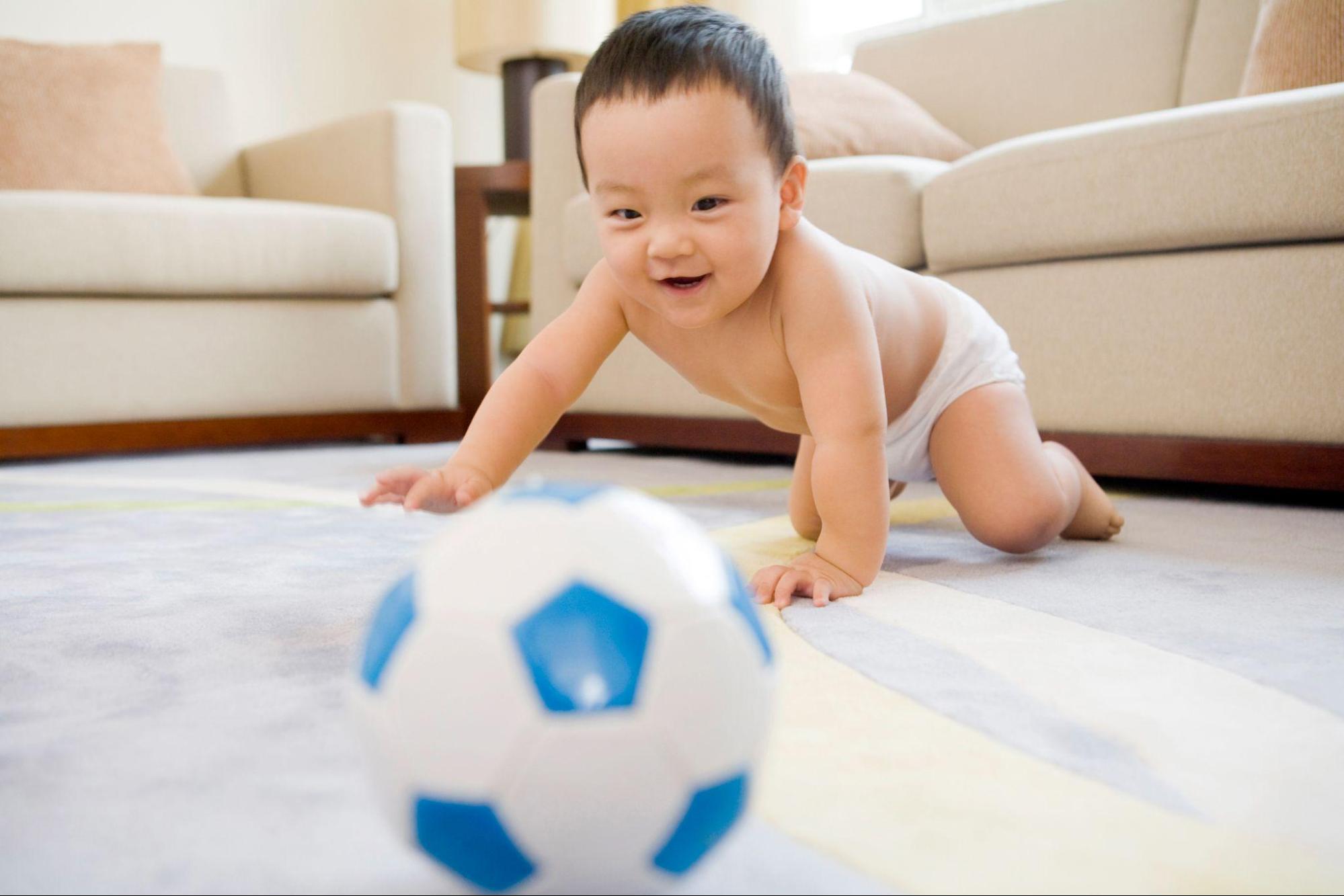
Around this age, many babies begin "cruising", that endearing shuffle along the edge of a sofa or coffee table, one hand always hovering nearby for support, before gathering the courage to let go entirely. To support those first independent steps, push-wagons are ideal: they offer just enough stability without doing the work for your child. Introducing a large, soft ball for simple back-and-forth rolling or catching is a brilliant gross motor activity at this stage. It builds balance, timing, and makes movement feel like a game.
The Little Footprints Difference: Fostering a Love for Physical Play
Knowing how to improve gross motor skills in babies is one thing. Building an environment where those skills flourish every single day is another.
Our infant care centre is built around the belief that physical development and emotional security go hand in hand. To start, our educators begin by cultivating trusting relationships, because a child who feels safe is a child willing to take physical risks and to delight in doing so. From there, we encourage self-initiated movement, letting babies navigate play structures at their own pace rather than rushing them toward predetermined milestones. Sensory play and nature exploration give infants a reason to reach, stretch, and move with genuine curiosity, while our Artist of the Term programme introduces textures, forms, and materials that build hand-eye coordination and lay the early groundwork for fine motor skills alongside gross motor development. Movement games, nature walks, and purposeful indoor-outdoor play also weave active coordination into every part of the day, keeping little bodies strong and little minds fully engaged.
A Journey of a Thousand Miles
Every journey begins with a single step. The head lift today becomes the confident stride tomorrow, and the wobbly first step becomes the child who runs headlong into new experiences, unafraid. What we do in these earliest months lays the foundation for a lifetime of physical confidence, curiosity, and joy in movement.
At Little Footprints Preschool, we are honoured to walk this journey alongside you and your child. As a POP-appointed preschool, we offer this quality of care and learning with infant care fee subsidies, because every child deserves a strong start, regardless of budget. If you are curious about our approach to physical and experiential learning, we'd love to welcome you to our next Open House. Book a tour at a centre near you today.


