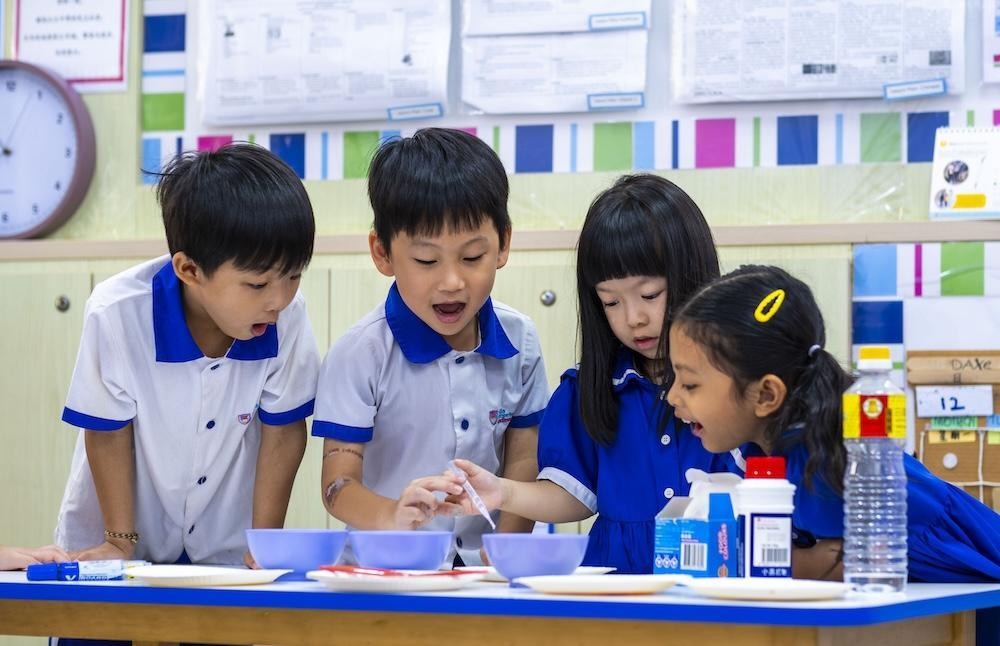
A short attention span is one of the most common concerns parents raise during the preschool years. The reassuring truth is that it isn't a flaw or a warning sign. It's a natural part of how young children develop, and with the right environment and habits, focus is a skill that can be gently strengthened over time.
What Is the Average Attention Span of a Child?
Before worrying about whether your child's concentration is 'normal', it helps to know what's developmentally typical. The average attention span for children varies widely, even within the same age group:
- 2 years old: 4 to 6 minutes
- 3 years old: 6 to 9 minutes
- 4 years old: 8 to 12 minutes
- 5 years old: 10 to 15 minutes
- 6 years old: 12 to 18 minutes
- 8 years old: 16 to 24 minutes
These are guidelines, not targets. Every child develops at their own pace, and the goal isn't to push beyond these ranges but to nurture focus steadily within them.
Strategies to Improve a Child's Focus and Attention Span
Building attention span isn't about drilling children to sit still. It's about creating the conditions where their developing brain can practise focus in ways that feel natural and engaging.
Break Down Tasks
Divide large activities into smaller, manageable sections to prevent overwhelm. Celebrating the completion of each small step builds momentum and keeps children motivated to continue.
Play Focused Games
Puzzles, memory cards and building blocks all build sustained attention in a low-pressure, playful setting. The child is practising concentration without realising it.
Limit Screen Time
Fast-paced digital media conditions the brain to expect constant stimulation. Slower, open-ended activities help recalibrate a child's ability to focus and gradually increase attention span.
Encourage Physical Activity
Movement activates the brain. A short burst of outdoor play before a quieter activity can noticeably improve a child's focus in the session that follows.
Establish a Structured Routine
When children know what comes next, their nervous system feels safe. Consistent times for play, meals and rest free up mental energy for the task at hand.

Use Visuals and Sensory Tools
Visual timers make time concrete and reduce anxiety around transitions. Some children also benefit from gentle sensory tools during quieter, more focused tasks, like learning how to hold a pencil or practising letter formation.
Practise Mindfulness
Brief moments of quiet observation, listening for sounds outside or watching something move in the breeze, help children learn to direct their own attention with intention.
Use Positive Reinforcement
Praise effort and focus rather than just the end result. A child who hears "I noticed how hard you concentrated on that" is more likely to persist through challenges.
Incorporate Interactive Play
Games like "Simon Says" and "I Spy" build auditory attention and self-regulation in a social, enjoyable setting.
Encourage Outdoor Exploration
Time in nature invites children to slow down and observe at their own pace. Unlike screen entertainment, it draws attention outward in ways the developing brain can genuinely process.
How Little Footprints Preschool Nurtures Focus and Curiosity
At Little Footprints, our classrooms and outdoor spaces are intentionally designed to support a child's developing attention span. Quiet learning corners sit alongside nature-based discovery areas, giving children space to move between focused and exploratory modes throughout the day.
Outdoor play isn't treated as a break from learning. Under our Sustainable Education® approach, time in nature is recognised as one of the most effective ways to restore focus, spark curiosity and support holistic development. It's built into the daily rhythm across our preschools in Singapore, from our Jurong West childcare centre to our Ang Mo Kio kindergarten.
Want to see the learning environment in action? Explore our curriculum or book a tour at your nearest Little Footprints centre.


