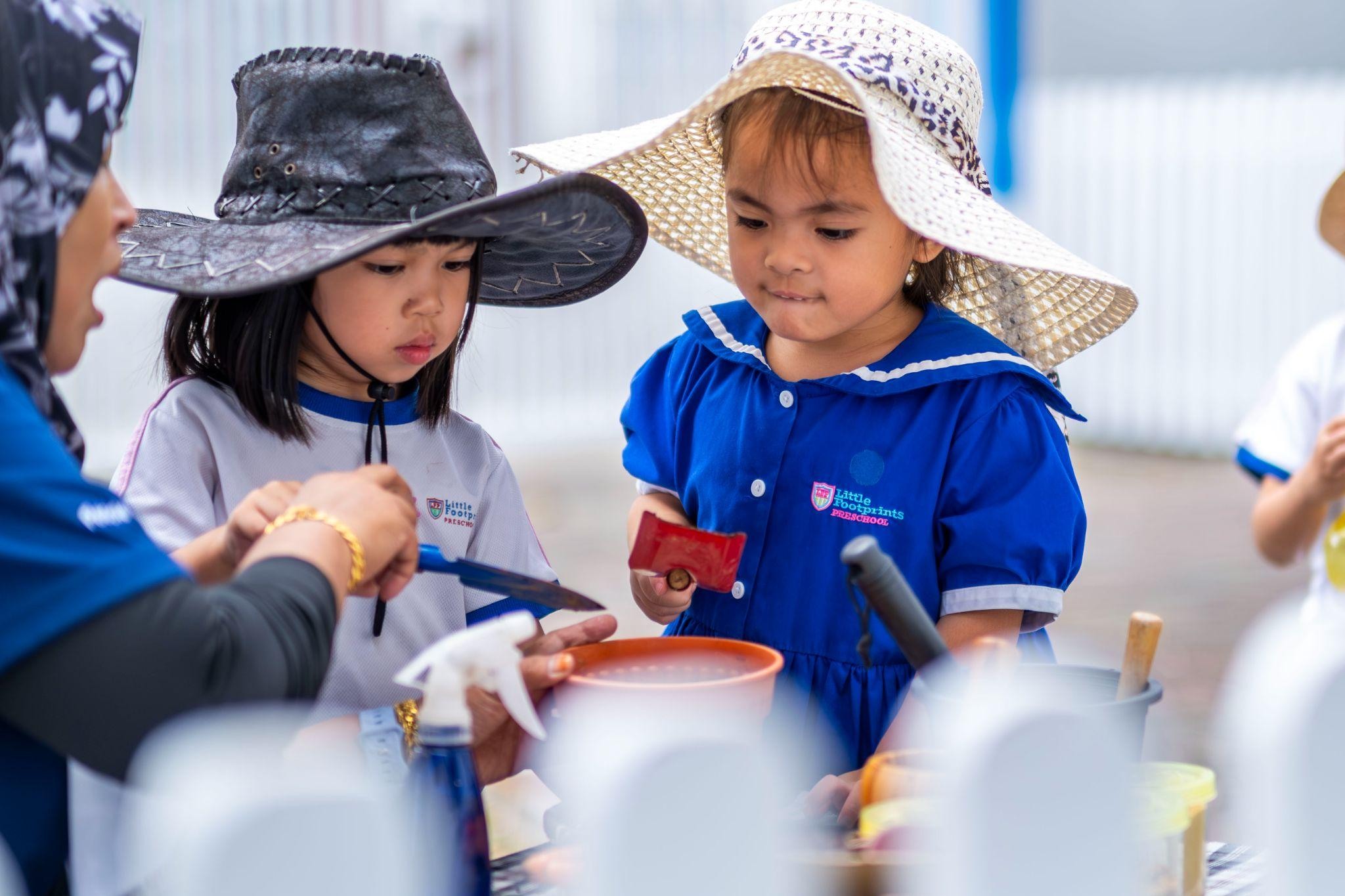
There is a particular ache that comes with watching your child hover at the edge of a group, unsure how to step in. If you have been quietly wondering how to help your child make friends, know that this is one of the most universal concerns in early parenting, and one of the most workable.
Teaching a preschooler to make friends is less about instruction and more about gentle, consistent modelling. By providing opportunities for practice, equipping them with simple social tools, and patiently guiding early interactions, you can help your child build the confidence and cooperative spirit needed to truly belong in a community.
The good news is that this journey starts somewhere familiar: at home, in the everyday moments you might not realise are already teaching your child how to connect.
Lay the Groundwork at Home
The most powerful thing you can do is let your child watch you. Children are natural observers, and the way you greet your neighbour, thank a cashier, or welcome a guest teaches them the unspoken language of friendship long before they can name it.
At home, role-play simple introductions together. Practise phrases like, "Hello, my name is [Name]. Would you like to play with me?", keeping it light and treating it like a game rather than a lesson. If your child is introverted and eventually works up the courage to approach another child, praise the effort regardless of how it lands. "I noticed you walked over and said hello, that was really brave," builds far more social resilience than focusing on whether the other child responded warmly.
Developing social skills for children starts here: in small, safe moments at home before the wider world requires them.
Create Opportunities to Practise
Once the foundations are in place at home, the next step is giving your child a stage to use them, starting small and building gradually.
Short, one-on-one playdates in a familiar setting are the ideal rehearsal for the larger social dynamics of a preschool classroom.
Classic games like Simon Says, or Duck, Duck, Goose, are among the most effective social skills activities for kids because they teach turn-taking and shared rules without anyone noticing they are learning. Collaborative builds like a block tower, a joint drawing, or simple baking, work on the same principle: the goal is only reachable together, which makes cooperation feel natural rather than taught.
Picture books are quietly powerful, too. Stories about kindness and belonging give children a vocabulary for feelings they are only beginning to understand, and a safe way to ask, "What would you do if that happened to you?"
Guide Without Taking Over
Knowing when to step in and when to step back is where the real parenting skill lies.
In the early stages, stay nearby. Your presence is a form of emotional scaffolding; your child does not need you to intervene, but knowing you are close gives them the security to take social risks. Gradually step back as they find their footing.
Give children agency where you can. Asking "Shall we play with the train set or the playdough?" lets both children feel ownership over what happens next. Before guests arrive, quietly put away any toys your child is particularly attached to. Removing the source of possessive friction before it starts is far easier than managing it mid-playdate.
When conflicts do arise, and they will, treat them as teachable moments rather than failures. Role-playing how to ask for a turn or how to offer a genuine apology helps children see disagreement as a normal, navigable part of friendship rather than something to fear.
These are the building blocks of social skills for kids that will serve them well beyond preschool.
How Little Footprints Preschool Nurtures Your Child
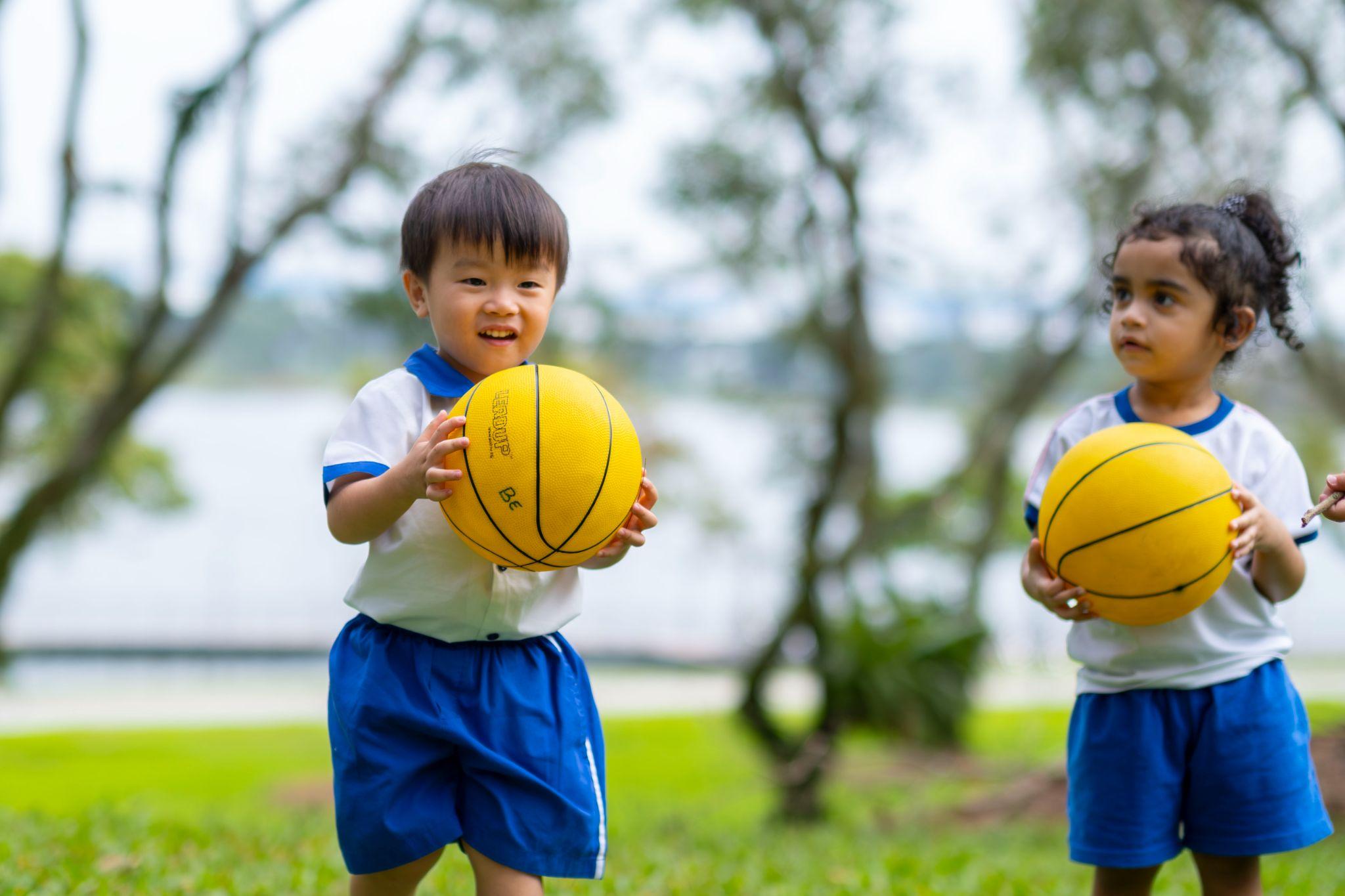
At Little Footprints Preschool, we believe a child's happiness is rooted in their sense of belonging. Social-emotional learning sits at the heart of our curriculum, cultivating self-regulation, empathy, cooperation, and conflict-resolution skills that are as essential to school readiness as any academic milestone.
Through partnerships across our centres, such as with the Singapore Kindness Movement, kindness and teamwork are woven into the rhythm of every school day, and not treated as a separate subject. We are not just preparing children for Primary School, we are helping them grow into people who know how to show up for others.
If you would like to see how we support your child's social growth in our preschool in Singapore, explore our curriculum or book a tour at a centre near you. Plus, with a childcare programme subsidy available for eligible families, quality early childhood education is within reach. We would love to welcome yours.


