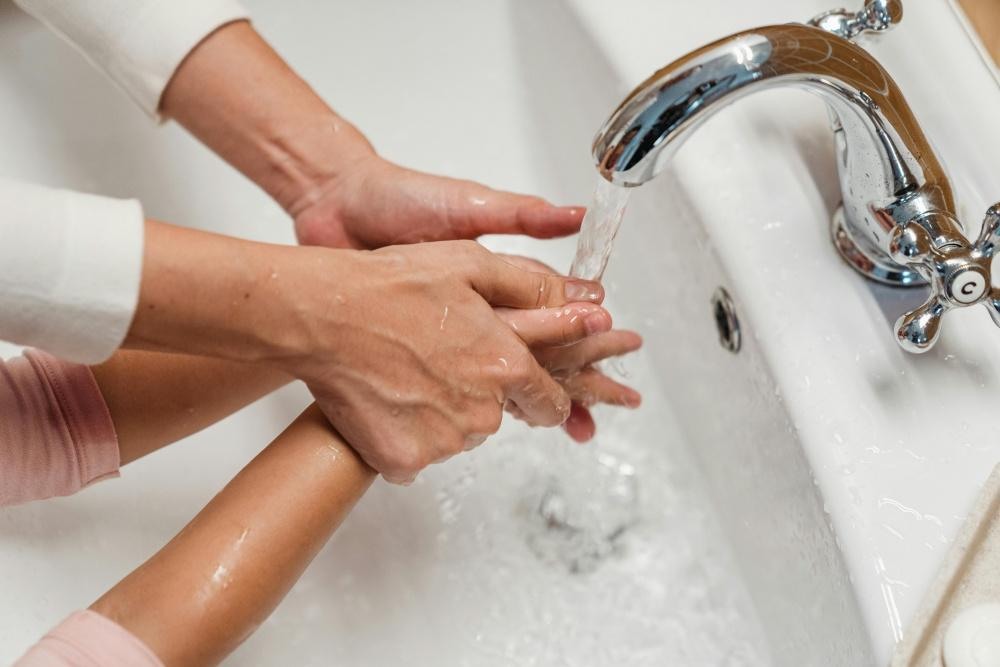
For young kids, explaining personal hygiene is most effective when you make it fun and accessible. By using simple language and demonstrating routines through play, you can transform daily chores into empowering habits.
However, building lasting hygiene practices for children takes consistency and positive reinforcement. Remember, teaching personal hygiene isn't about strict rules, but about nurturing a genuine understanding of why caring for their body matters and helping them take pride in looking after themselves.
Explaining the "Why": The Mystery of the Invisible Germs
To teach personal hygiene to kids, you've got to make the science fun. Children are naturally curious, and when you frame hygiene as a bit of a mystery to solve, they're far more likely to engage. The secret is helping them understand that not everything that can hurt us is visible.
Start by introducing them to "icky bugs." Explain that germs are like tiny, invisible creatures that love to hitch a ride on our hands, toys, and surfaces. Because we can't see them, we have to be extra careful to wash them away before they cause trouble.
From there, explain the ripple effect. Let your little one know that these invisible bugs can make us feel yucky and travel from person to person without us even knowing. Washing our hands is like putting on a superhero shield that keeps our friends and us safe. For children, this framing gives body care and personal hygiene a sense of purpose they can genuinely connect with.
The Hygiene "How-To": Masterful Habits for Little Ones
Once children understand the "why," it's time to bring body care and personal hygiene to life with hands-on routines they'll actually enjoy. Here are some personal hygiene activities for kids that make learning feel like play:
- Handwashing (The Gold Standard): Teach the 20-second rule by singing "Happy Birthday" twice. Highlight the critical moments, such as after the toilet, before meals, and after outdoor adventures.
- Bath Time Adventures: Use bubbles and toys to make shower time a delight. Guide them to wash hidden spots like underarms and feet, and explain that drying off well keeps their skin happy and rash-free.
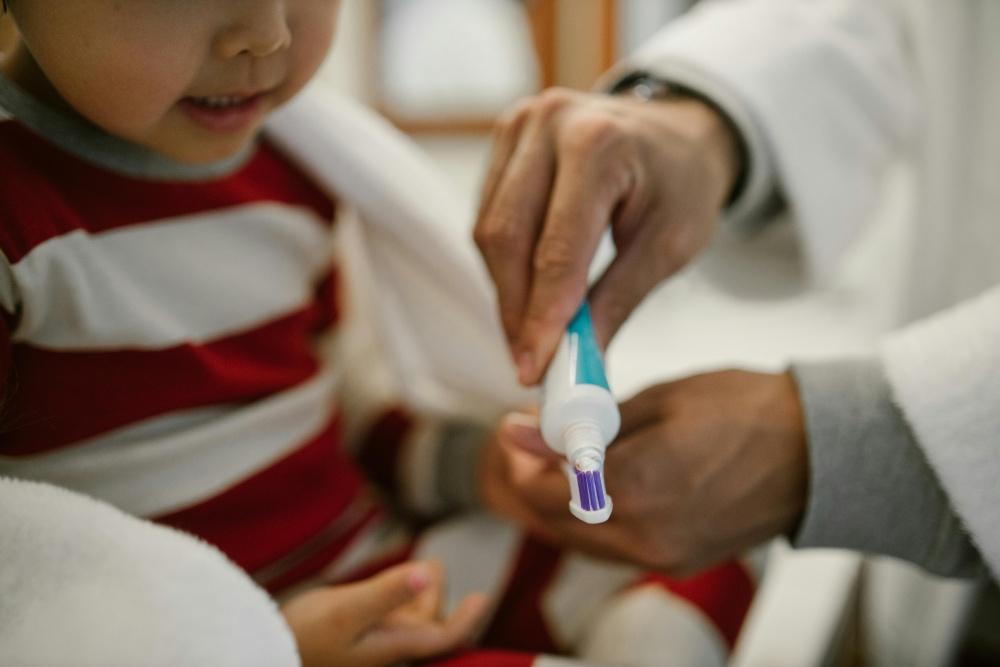
- Banishing "Sugar Bugs": Frame tooth brushing as a battle against tiny bugs that try to make holes in their teeth, leaving them with a sparkling smile and fresh breath.
- The "Vampire" Cough: Teach the elbow trick for sneezing and coughing, or the importance of using a tissue and tossing it straight away to keep the air clean for everyone.
- Fresh Fits: Introduce the daily routine of choosing clean clothes and fresh underwear as a lovely way to start each morning feeling refreshed and ready.
Making It Stick: Creating a Culture of Cleanliness
Building lasting hygiene practices for children takes time, patience, and a little creativity. Here's how you can make it a natural, joyful part of daily life at home:
- Be the Mirror: Children are natural imitators. Let them see you washing your hands and brushing your teeth with a smile, and your habits will become theirs.
- Embrace the Joy of Routine: Link hygiene to existing daily milestones, like a warm bath before bedtime stories, to make it a predictable and comforting part of their day.
- Try Praise, Patience, and Stickers: Use reward charts or colourful soaps to spark excitement. Praise the effort of trying, whether it's remembering to wash their hands without being asked or reaching all the tricky spots.
Why Preschool Is the Perfect Training Ground
Preschool plays a powerful role in reinforcing the hygiene practices you teach at home. In a preschool environment, hygiene becomes a shared social value. When children watch their peers wash their hands or use tissues, they're naturally encouraged to follow suit, turning a personal task into a positive group activity.
At Little Footprints Preschool, our educators use experiential learning to reinforce these lessons with the same care and enthusiasm as our academic curriculum. Whether you're considering a Yishun preschool, an Ang Mo Kio preschool, or any of our centres across Singapore, we partner with you to ensure your child develops the self-help skills and physical awareness they need to navigate their school years with confidence and vitality.
Still exploring your options? Explore our curriculum or book a tour to find out if Little Footprints is the right fit for your child.


