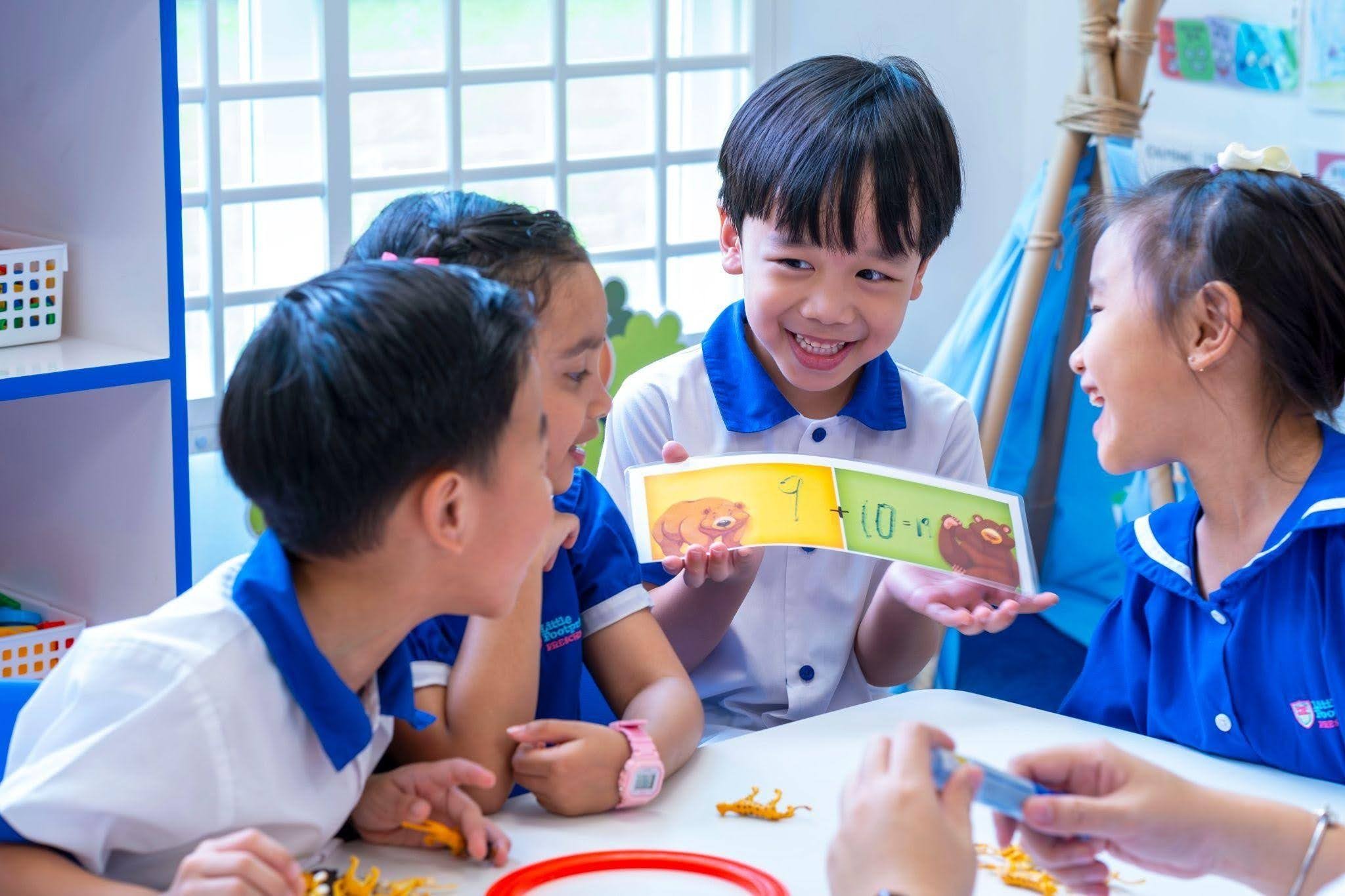
Watch a child pull apart a flower, piece by piece, not to ruin it but to understand it. Or refuse to leave the playground until they have worked out why the swing moves the way it does. Or ask the same unanswerable question six times in a row, each time slightly differently.
That is not restlessness. That is curiosity doing exactly what it is meant to do.
Curiosity is not a personality trait a child either has or does not. It is a habit, one that can be nurtured, protected, and quietly shaped by the adults around them. And it matters far more than most parents realise.
Why Curiosity Is One of the Most Important Learning Tools a Child Has
Curiosity is not simply about asking questions. In children, it is the engine behind learning that actually sticks.
Curiosity in children builds self-awareness. A child who notices what interests them, what confuses them, what they want to keep thinking about, is developing the learning instincts that will serve them across every subject and every stage of life. This kind of inward attention, turning curiosity on themselves as much as on the world, is what makes some children genuinely intentional learners rather than passive recipients of information.
There is also a meaningful link between curiosity and regulation. A child who approaches difficulty with interest rather than dread is far less likely to shut down when something feels hard. Framing a challenge as something interesting to figure out rather than something threatening to avoid builds the kind of resilience that cannot be directly taught. It has to be grown.
And curiosity in children transfers. They connect what they learned dismantling a toy to a concept they encounter in a story. They apply yesterday's discovery to today's problem. This cross-context thinking, where curiosity for learning becomes a way of moving through the world, is one of the strongest predictors of both academic and creative success.
How to Encourage Curiosity in Your Child
The good news is that curiosity does not need to be installed. It needs to be protected. Most of the time, that means small, intentional shifts in how adults respond, listen, and make space.
Trade answers for questions. When a child asks why the sky is blue or how fish breathe underwater, the most useful thing is often not to answer. Try reflecting it back: "What do you think?" or "What would happen if we found out?" This signals that their thinking is worth exploring and that wondering is not a gap to be filled but a process to be enjoyed. The distinction between productive wondering and feeling unsupported is real, so stay warm and nearby even when you step back.
Talk with them, not at them. Open-ended, unhurried conversation is one of the most effective ways to help children improve their curiosity and imagination. When adults slow down and genuinely listen, children gain the confidence to voice half-formed ideas without fear of being corrected, which is where some of the most interesting thinking happens.
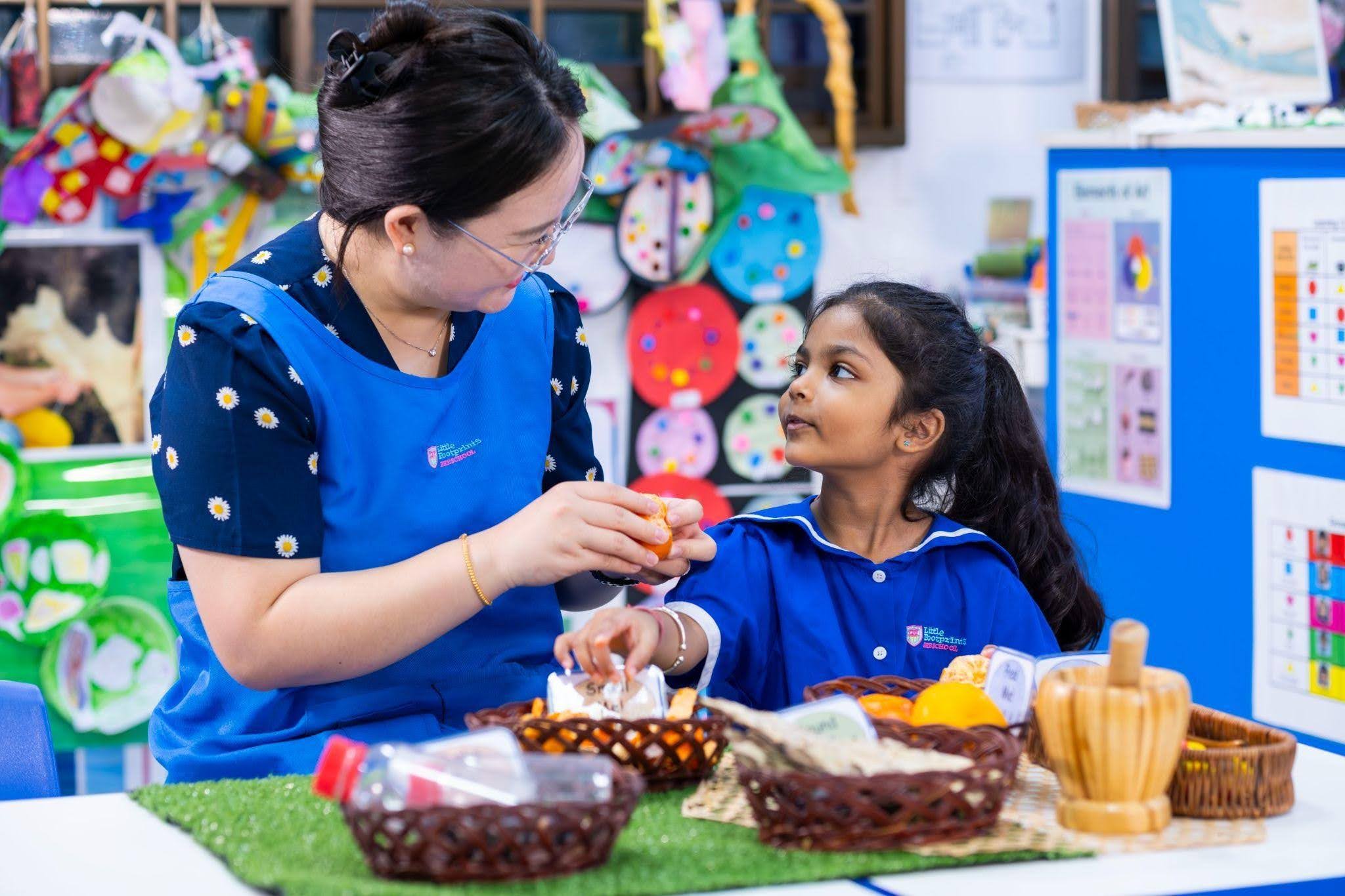
Meet them where they are. Following a child's lead rather than redirecting them toward a more "productive" line of inquiry allows their own learning instincts to develop. Patience is the skill here. Resisting the urge to move a child on before they are ready is one of the most underrated things a parent or educator can do.
Focus on the person, not the problem. Shifting from "what went wrong?" to "what were you thinking when...?" opens curiosity rather than closing it down. Children who feel safe enough to wonder out loud, even when they are unsure, are far more willing to take intellectual risks over time. This is how to increase curiosity in kids in the long run: make wondering feel safe.
Let them choose, and let them feel what follows. Age-appropriate decision-making is a powerful tool for curiosity. Children who make choices become interested in outcomes. Natural consequences, handled warmly and without shame, build cause-and-effect thinking while protecting children from every wrong turn quietly teaches them not to try.
A Curious Child Is Always Building Something
Curiosity is not a phase to manage. It is a capacity to grow, one small, daily moment at a time. The habits parents build now compound into something significant: a child who approaches the world with openness, persistence, and a genuine appetite to understand.
At Little Footprints Preschool, nurturing that appetite is part of what we do every day, from our nursery school programme through to kindergarten. Whether you are looking for a centre close to home or close to work, across our locations in the north, south, east, and west of Singapore, including our Bukit Panjang kindergarten, we would love to show you our classrooms in person.
Book a Centre Tour or join us at our next Open House.


