
Most parents have been there: it's the end of a long day, a kid who needs settling, and the remote in hand. What goes on the screen matters more than most realise. Screen time isn't inherently harmful; choosing low- or non-stimulating shows for babies and toddlers, and how they're watched, is what actually makes the difference.
Shows Worth Putting On: A Curated Starter List
Not all childhood shows are created equal. These picks share a common quality: gentleness, intention, and real developmental value.
- Classic and Gentle: In the Night Garden, Teletubbies, and Mister Rogers' Neighbourhood offer slow pacing, warm storytelling, and simple visual environments that feel safe and familiar to very young children.
- Emotional and Social Learning: Daniel Tiger's Neighbourhood and Bluey centre friendships, feelings, and everyday conflict resolution, giving children a low-stakes space to observe how emotions work.
- Nature and Curiosity: Tumble Leaf and Hey Duggee introduce the natural world with wonder rather than noise, inviting children to observe and explore at their own pace.
- Problem Solving: Peg + Cat and Odd Squad walk children through simple challenges at an age-appropriate pace, building early thinking habits without pressure.
- Cosy and Simple: Sarah & Duck and quieter Bluey episodes have minimal plot, soft aesthetics, and repetitive structure that function more like a lullaby than a lesson.
What Actually Makes a Show Low-Stimulation?
Parents often ask how they can tell if a show is low stimulation, or what baby shows aren't overstimulating. The answer comes down to four characteristics that make it easy to assess any title at a glance.
- Visuals: Soft colour palettes, minimal on-screen movement, and uncluttered scenes. Rapid cuts, flashing effects, and visually busy backgrounds are the clearest red flags.
- Audio: Calm voices, gentle music, and natural sounds over synthetic effects. Loud, erratic audio raises cortisol levels and works against the settling effect parents are looking for.
- Pacing: Slow scene transitions and unhurried dialogue give a child's brain time to process what it is seeing. Fast editing, even in educational content, fragments attention rather than builds it.
- Focus: Shows that follow one idea, one character, or one simple narrative thread. Single-focus content supports sustained attention and encourages genuine engagement over passive watching.
Why the Right Kind of Screen Time Supports Development
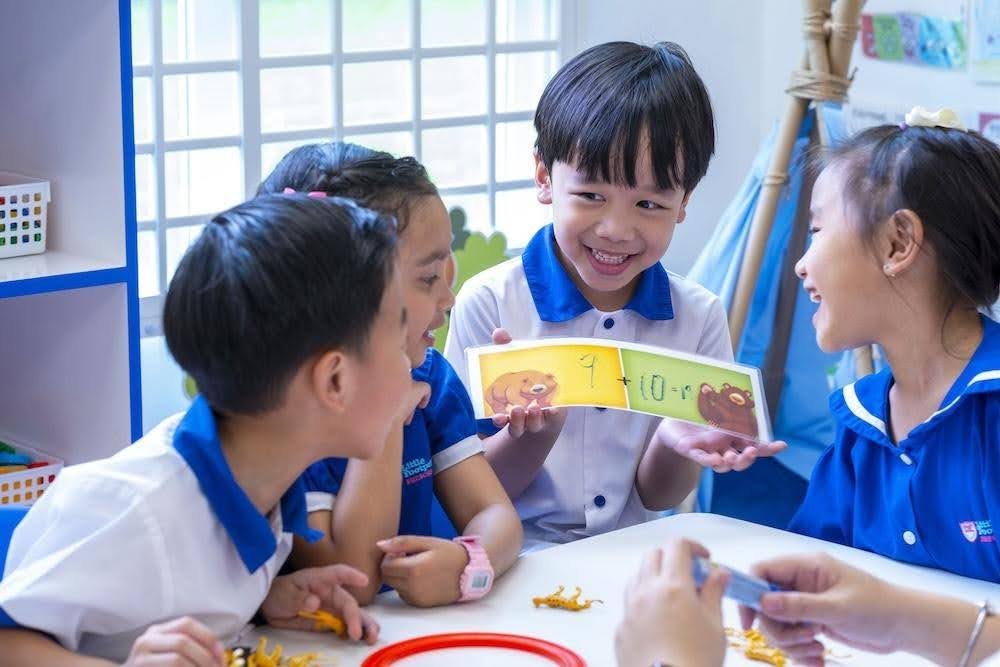
The real concern for young children isn't screens, but what is playing on them during developmentally sensitive windows. Calm, intentional programming can support language acquisition, emotional literacy and even attention span when used thoughtfully.
Co-viewing makes the biggest difference. Watching together and asking "How do you think she's feeling?" turns passive consumption into an active learning moment. It's a small habit with a quiet, lasting effect.
At Little Footprints, an early childcare centre built around science-informed practice, the environments children inhabit are always considered with this in mind. Calm, predictable settings build secure, focused learners.
Small Choices, Big Habits
The question is never simply whether to allow screen time, but what kind of environment that screen time creates. A calm, low- or non-stimulating show for babies and toddlers, watched together, is a different experience entirely from background noise left on loop.
Small, intentional choices compound over time. The habits of attention, curiosity and emotional regulation built at home are reinforced every day at our Ang Mo Kio childcare centre and across all Little Footprints locations.
Book a tour at your nearest Little Footprints centre and see what a day in our learning environment looks like for your child.


