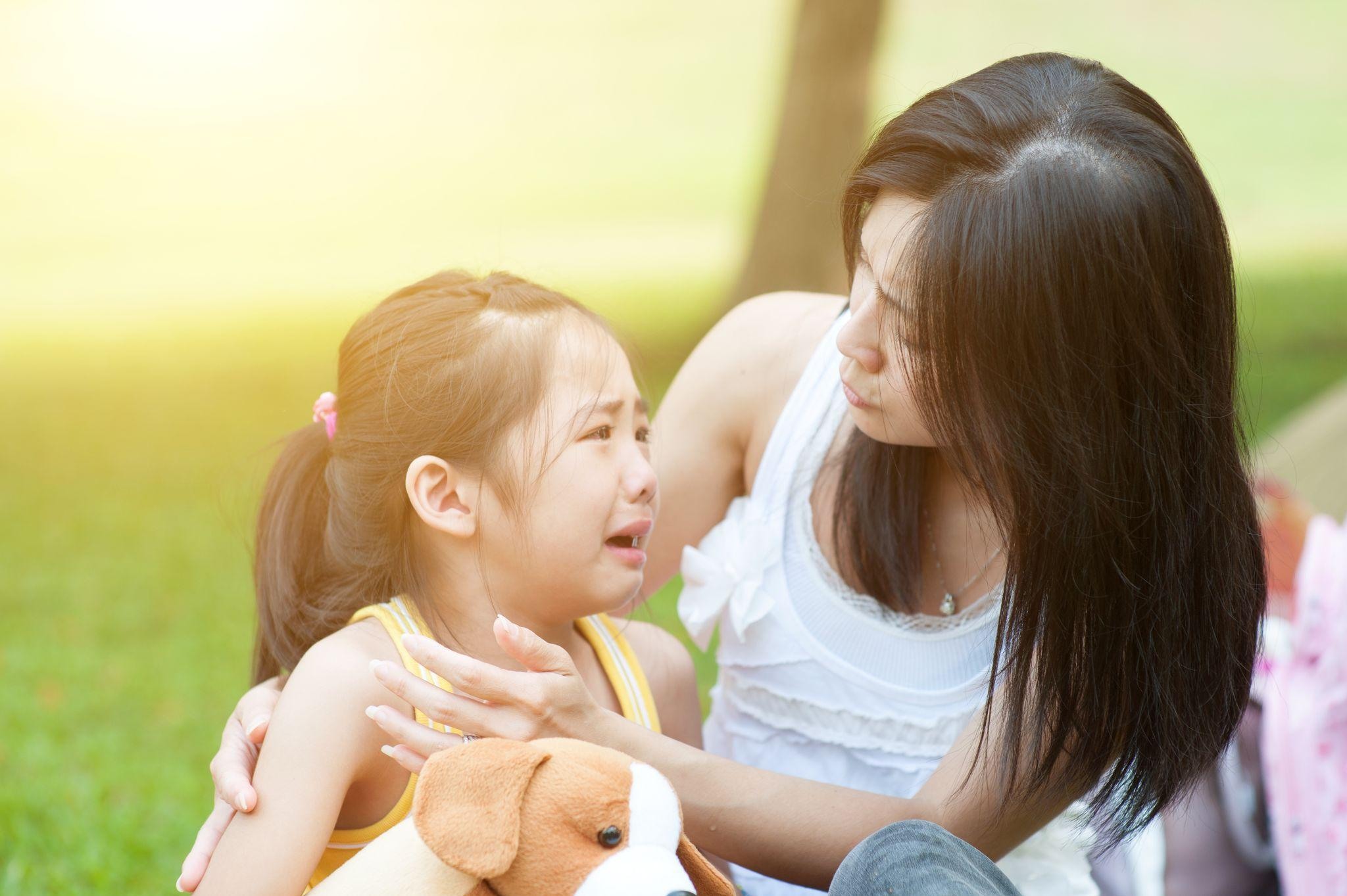
Navigating a child's big feelings is one of the quieter, more exhausting parts of early parenting, and it rarely comes with a manual. However, the ability to manage emotions is not a personality trait your child either has or doesn't have. It's a learned skill. While academic readiness matters, emotional intelligence, the ability to name, understand, and respond to feelings, is what truly equips a child for a confident, connected life at every stage ahead.
At Little Footprints Preschool, we don't simply ask children to "behave." Through our Sustainable Education® approach, we help them understand the why behind their emotions, building the inner tools they'll carry forever.
The Science of The "Feeling Brain"
This approach is grounded in more than good intentions. Guided by the Babilou Family's Scientific Committee, our curriculum draws on neuroscience to shape how we teach young children.
In preschoolers, the emotional centre of the brain, the amygdala, responds faster than the logical, reasoning centre. This is why a child can go from calm to overwhelmed in seconds, and why telling them to "just calm down" rarely works. But by introducing social-emotional learning early, we help children gradually build the neural connections needed for self-regulation and empathy, at their own pace.
The five social and emotional development activities below are designed with that same principle in mind: simple enough for home, and genuinely effective.
5 Practical Social-Emotional Activities to Try at Home
1. The "Feelings Weather Report" (Building Self-Awareness)
Visual metaphors give children a safe, non-threatening vocabulary for feelings that are otherwise hard to name. So at dinner or before bed, ask your child: "What is your inner weather today?" and let them choose from sunny (happy), cloudy (worried), or a full thunderstorm (angry). It's one of the most foundational social-emotional activities you can build into a preschooler's daily routine.
2. Create a "Calm-Down Corner" (Encouraging Self-Regulation)
When children learn to recognise that they are overstimulated and feel safe enough to remove themselves from that state, they are developing the ability not to act out every big emotion as it comes. Setting up a small, cosy space with a favourite cushion, a soft toy, or a glitter-and-water calming jar can give them somewhere to practise doing exactly that. More importantly, reframe this as a time-in, rather than a time-out.
3. Kindness Bingo (Nurturing Social Awareness)
Create a simple 3x3 grid filled with little acts, such as "Say thank you to the uncle at the coffee shop" or "Help pick up a dropped toy," and celebrate every Bingo. This mirrors our partnership with the Singapore Kindness Movement and teaches children early that small, consistent acts of kindness are what hold a community together.
4. Puppet Role-Play: "The Toy Tussle" (Honing Relationship Skills)
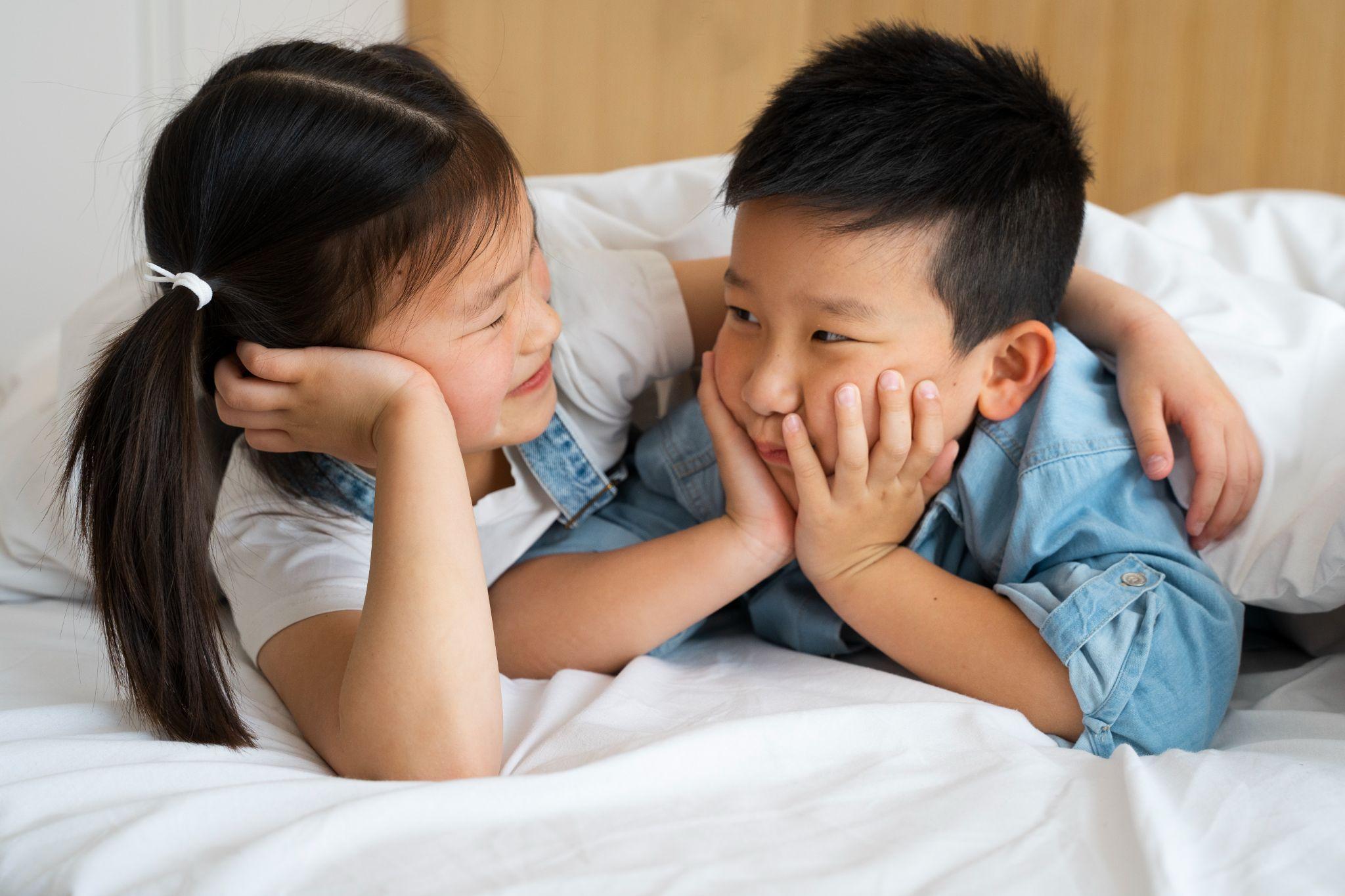
Low-pressure role-play is one of the most effective social and emotional activities for building empathy and conflict resolution in young children, because it removes the heat of a real situation. Use two stuffed animals to act out a familiar conflict, such as both wanting the same toy. Pause the scene and ask: "How do you think Teddy feels right now? What could he say to Bunny?" By working through the problem on a character's behalf, your child practises perspective-taking and finds the words for difficult moments before they need them in real life.
5. The "I Can" Resilience Jar (Fostering Self-Management)
Resilience isn't built in a single brave moment. It's built bead by bead. Every time your child pushes through something hard, finishing a tricky puzzle, trying a new food, or getting back up after a fall, drop a marble or bead into a glass jar together. When it's full, look back through every small act of persistence as a shared celebration. Over time, the jar becomes visible proof that hard things are survivable, quietly building the "I can" mindset that will carry your child through the challenges ahead.
Bringing it Together: The Little Footprints Approach
At Little Footprints Preschool, social-emotional learning is not a lesson that happens once a week. It is woven into the fabric of every aspect of our childcare in Singapore; in how children negotiate the rules of a game, work through a disagreement during a group project, or comfort a friend who is upset.
Through our experiential, hands-on methodology, and under the guidance of our nurturing educators, children practise these relational skills in real time, in real relationships. The social-emotional activities we use in the classroom are built on the same principles as those above: safe, consistent, and grounded in how young children actually learn.
The Invisible Backpack
Social-emotional skills are what we call the invisible backpack, the one your child carries into every classroom, friendship, and challenge they will ever face. When a child feels emotionally secure, they are naturally more curious, more resilient, and far more ready to learn.
Ready to nurture confident, kind learners? Book a Centre Tour today or visit our upcoming Open House to see our approach to social-emotional learning in action. Our team is happy to walk you through our preschool fees, subsidy options, and everything your family needs to get started.


