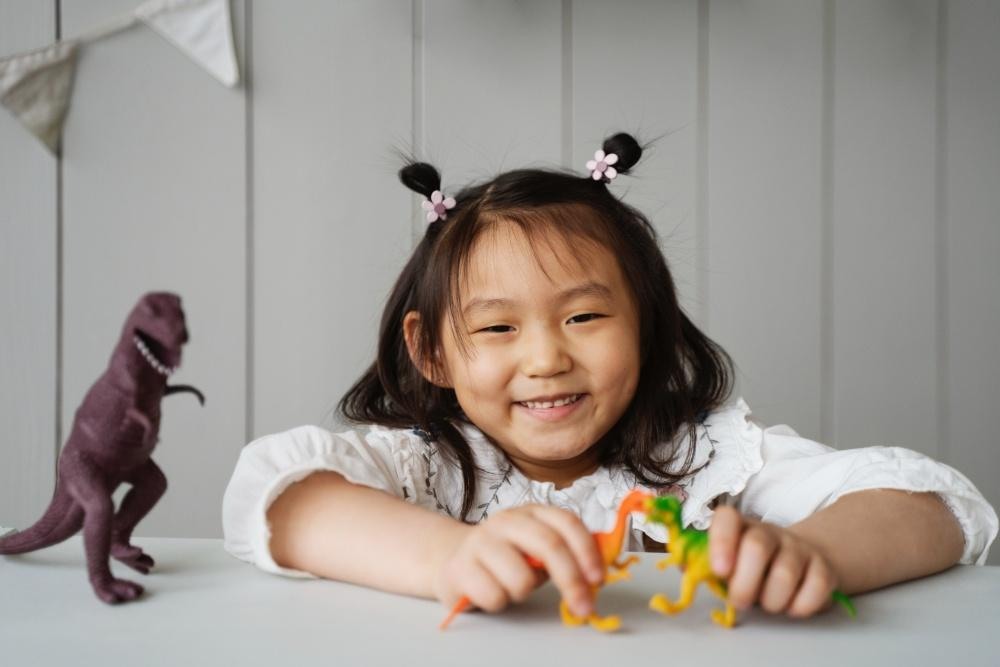
There’s a particular kind of quiet that falls over a classroom when a child steps forward to share something they love during a show-and-tell presentation. This moment is far more than a presentation. It’s one of the earliest acts of self-expression a child will ever experience.
Show-and-tell in preschool is often a child’s first foray into public speaking. This deceptively simple activity bridges the familiar comfort of home with the social world of school, giving kids a safe, structured opportunity to share who they are. But it works best when the ideas go beyond the usual favourite toy.
In this blog, we share ten show-and-tell ideas designed to spark deeper storytelling and build vocabulary. We’ll also cover how to do a presentation that feels fun, low-pressure, and memorable for your child.
The Developmental Benefits of Sharing During Show-and-Tell
The benefits of show-and-tell for preschool children go far deeper than most parents realise. Beyond the fun of bringing something special to class, these sessions actively:
- Build Oral Literacy: Describing an object encourages children to reach for adjectives, construct sentences, and expand their vocabulary in a meaningful, real-world context.
- Foster Empathy and Active Listening: For young kids, the “listening” side of show-and-tell is equally important. It teaches children to wait, observe, and ask respectful questions. These are social skills that extend far beyond the classroom and stay with them for life.
- Encourage Emotional Regulation: Sharing something personal helps a child manage nerves and stage fright, building a sense of belonging and confidence within the group.
10 Unique Show-and-Tell Ideas
To make it easy to find the right fit for your child, here are ten show-and-tell ideas categorised according to themes.
Category A: Discoveries from Nature
The natural world offers some of the richest show-and-tell examples for young children, giving them the chance to use sensory language. Here are some ideas to explore:
- A “Texture” Find: A smooth river stone, rough bark, or a crunchy leaf encourages children to use descriptive, sensory words that bring their story to life.
- A Home-Grown Plant: A small pot of herbs or a sprout they helped water opens up a wonderful conversation about growth, patience, and care.
Category B: Heritage and Identity
These ideas invite children to share where they come from, celebrating the diversity of every classroom:
- A Family Recipe or Food Item: Sharing a traditional snack (or a photo of one) and explaining its name and occasion is a warm, personal way to connect with peers.
- A Special Souvenir: An item from a family trip helps children practise chronological storytelling, walking classmates through where they went and what they saw.

Category C: Creative Works
These creativity-based show-and-tell ideas shift the focus from what to how, encouraging process thinking over outcomes:
- The “Invention” Box: A model built from recycled materials invites children to explain how they made it rather than simply what it is, fostering pride in their process.
- A “Work-in-Progress” Art Piece: Sharing an unfinished drawing opens a meaningful discussion about learning, effort, and the courage to keep going.
Category D: Mystery and Logic
These show-and-tell examples turn the session into an interactive game that sharpens logical thinking:
- The “Mystery Bag” Game: Giving three clues before revealing a hidden object transforms show-and-tell into an engaging, interactive experience that gets the whole class guessing and involved.
- A “Tool” from the House: A safe kitchen whisk or a gardening trowel sparks curiosity about function, purpose, and the everyday objects we often overlook.
Category E: Emotional Connections
Some of the most powerful show-and-tell presentations are the ones rooted in feeling. Here are a few ideas that invite children to look inward and share what truly matters to them:
- A “Hero” Artefact: An item that represents someone they admire, like a grandparent’s glasses or a teacher’s badge, can help children articulate gratitude and admiration.
- A “Happy Memory” Photo: A printed photo of a brave or joyful moment gives children a concrete anchor for emotional storytelling.
How to Help Your Child Prepare for Show-and-Tell (The Low-Stress Way)
A little preparation at home can make a big difference. Here’s how to turn show-and-tell practice into a confidence-building moment your child actually looks forward to:
- The “Three-Sentence” Guide: Help your child stick to three simple points: What is it? Where did it come from? Why is it special? This helps to keep things focused and manageable.
- The Living Room Rehearsal: Let them play the presenter while you play the role of an eager classmate. A low-pressure practice run at home is one of the best ways to help children feel confident before the big day.
- Focus on Effort, Not Perfection: The goal is for your child to feel heard and valued. Even a few words spoken with courage are a success worth celebrating.
- Know What to Expect with Tick Tock, It's Time to Talk: At Little Footprints, Show-and-Tell is more than just sharing, it's a purposeful home-school partnership activity.
Conducted in both English and Chinese for Nursery and Kindergarten children, it gives your child a safe, supportive space to share their thoughts and ideas using expressive words and full sentences. Knowing what the programme looks like helps your child feel more at ease before they step up.
Transitioning Show-and-Tell Skills to School-Readiness
These early show-and-tell sessions mirror the stimulus-based oral modules children will encounter in Singapore’s primary schools, giving them a meaningful head start. Beyond formal assessments, the ability to speak clearly and listen well helps children navigate playground friendships and group projects with greater ease and confidence. These are skills that are just as vital as academic ability.
Taking Small Steps to Build Big Confidence
Every show-and-tell session is a building block for a child’s self-esteem. When we encourage children to share their world, we remind them that their voice matters. Developing confidence is not a single event. It grows steadily, session by session, with educators and parents working together to create a safe and encouraging environment.
Whether at our preschool in Jurong West, our preschool in Bukit Panjang, or across any of our centres, Little Footprints Preschool is committed to celebrating every child’s voice. So, if you’re looking for a learning environment where your child feels seen, heard, and encouraged to speak up, we invite you to book a tour to see our classrooms in action!


