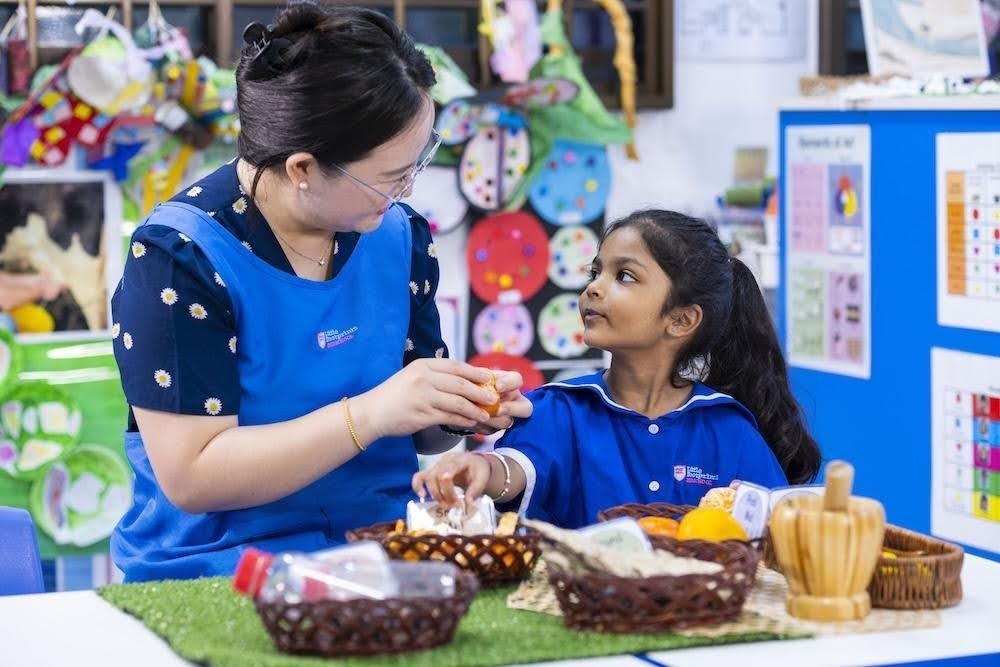
The plate gets pushed away. A new food is met with a suspicious look, a dramatic gag, or a firm 'I don't like it' from a child who hasn't yet taken a bite. Most parents know this scene well. Expanding a child's food palate isn't a battle to win; it's a relationship to build, gradually and without pressure.
The Earlier You Start, the Easier It Gets
The infant and toddler years are the most receptive window for introducing variety. Before strong preferences set in, repeated low-stakes exposure to different flavours and textures builds a quiet familiarity. A child who encounters bitter greens, sour fruits and unfamiliar spices early is more likely to accept them later, not because they're forced to, but because those foods feel recognisable.
Weaning and childcare meals play a meaningful role here. A varied menu at an early childcare centre, served consistently and without fanfare, lays a foundation of diverse tastes that supports broader eating habits at home.
Take the Pressure Off the Plate
Mealtime anxiety, from parent and child alike, is one of the biggest barriers when you're trying to expand a child's palate. The more loaded a meal feels, the more resistant a child becomes. Encouragement is useful; coercion tends to backfire.
Practical shifts make a real difference. Offer a new food without insisting it gets eaten. Celebrate curiosity over consumption: a child who sniffs, touches or licks something unfamiliar is making progress. Measure wins in tastes rather than portions.
Make the Table a Place They Want to Be
The emotional atmosphere of mealtimes shapes a child's relationship with food over time. Screens off, negotiations put aside, and no running commentary on what is or isn't being eaten. These quiet habits make the table feel safe rather than pressured.
When mealtimes are predictable and relaxed, expanding a child's food palate happens more naturally. Curiosity follows safety, and comfort at the table is where that openness starts.
Model the Behaviour You Want
Children take their cues from the adults around them. A parent who eats with visible enjoyment across a wide variety of food is one of the most powerful influences on a child's palate. This extends beyond the dinner table: at hawker centres, markets and family gatherings, every meal is an opportunity.
The message sent by eating with enthusiasm and without complaint is one children absorb without being taught.
How Your Child's Preschool Can Be Your Greatest Ally
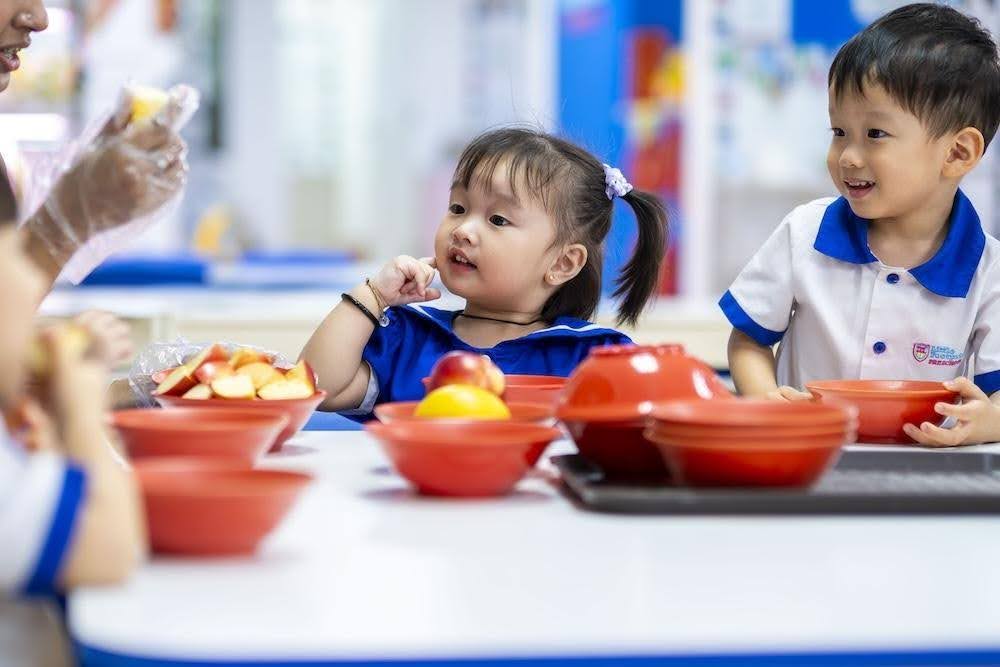
Consistent mealtimes at a quality preschool reinforce the habits being built at home. Communal eating is particularly effective: children are far more likely to try something new when they see peers enjoying it without fuss.
At Little Footprints, mealtimes are part of the broader learning environment, not a break from it. Our Jurong West preschool, as well as all our other centres, supports healthy attitudes toward food alongside the rest of the curriculum. Educators and parents can align on food goals to keep the experience consistent and low-pressure across both settings.
Small Steps, Lasting Habits
Expanding a child's food palate is less about strategy and more about culture: the slow, steady building of an environment where curiosity at the table feels welcome. Progress is rarely linear. A child who touches a new food today may eat it willingly in six months.
At Little Footprints, wellbeing and daily habits are as foundational as academic development. Every meal, at home or at our centres, is part of that bigger picture.
Book a tour at your nearest Little Footprints centre and see how we support the whole child, every day.


