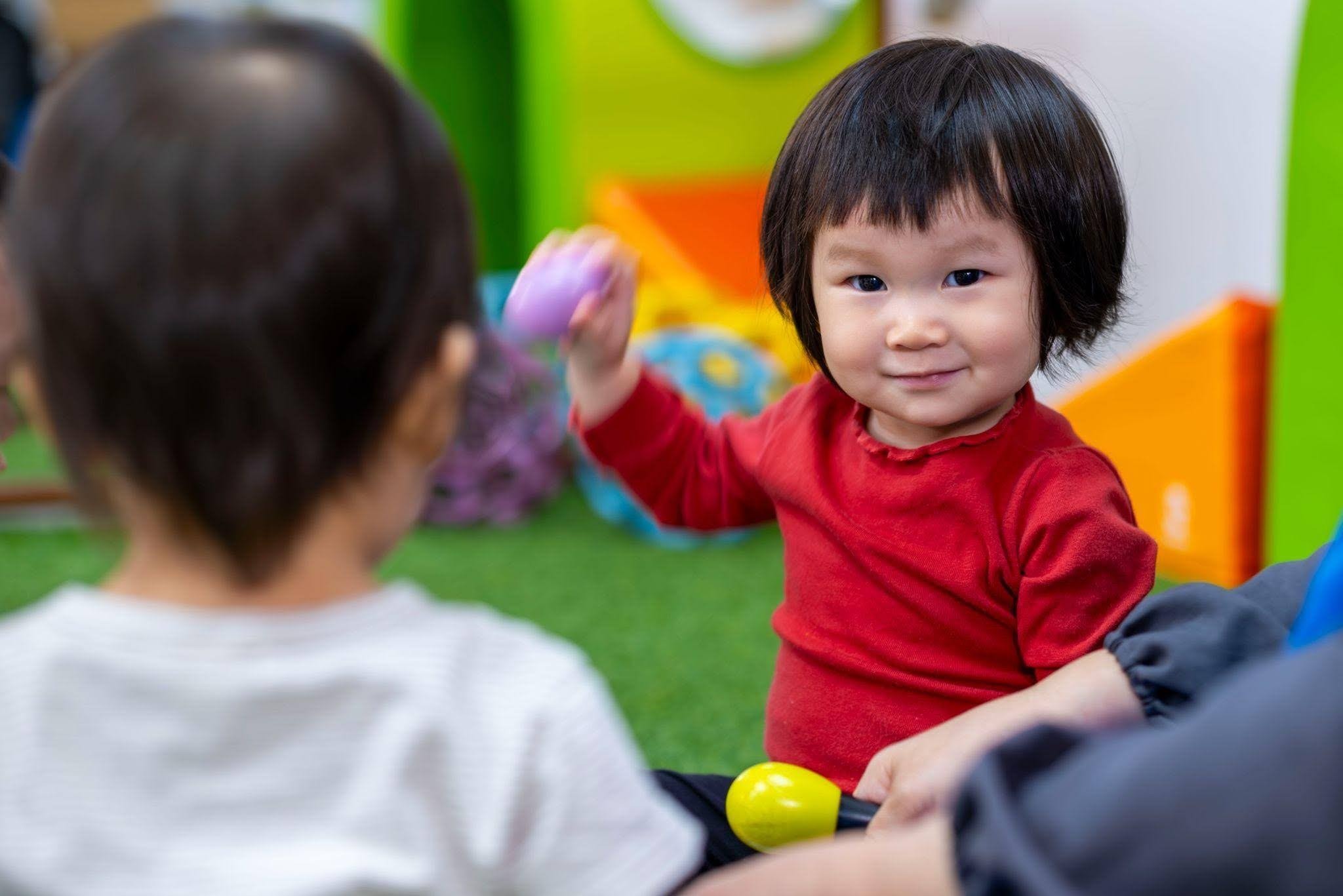
Picture this. A relative arrives at the door, arms open, and before your child has a chance to react, you hear yourself say: "Go on, give aunty a hug." Or two children are in the middle of play when one reaches over and grabs the other's toy without asking, setting off a storm of tears. These moments feel small. They are anything but.
Consent is not just a conversation reserved for adolescence. It is something children are already living every single day, in every toy negotiation, every uninvited touch, every moment they are told to push through discomfort for someone else's comfort. What they need is not the concept explained to them. They need the language and the framework to understand what they are already experiencing.
The most natural context for that learning is play. And the most important time to begin is now.
Consent vs Boundaries: Why Both Matter
Consent and boundaries are two words often used interchangeably, but they describe different things. While children need both, boundaries are what a child defines for themselves, the edges of their own body, feelings, and comfort and consent is the active practice of checking in before crossing someone else's.
A child who knows their own boundaries but has not learned to seek others' consent has only half the picture. They may be able to say no clearly and confidently, but they may still grab, push, or interrupt without pausing to ask. Teaching boundaries and consent together creates something more complete: a child who feels genuinely empowered in their own body and genuinely respectful of others. That combination is what healthy relationships are built on, at three years old and at thirty.
How to Teach Consent Naturally, Every Single Day
Start with the Body: It Belongs to Them
The foundation of teaching kids about consent is bodily autonomy. Before children can understand what it means to ask permission, they need to understand that their body belongs to them and that they have the right to decide who touches it, when, and how. This understanding is not instilled in a single conversation. It is built through small, consistent moments where a child's physical comfort is treated as non-negotiable.
For example, when a child is told to hug, kiss, or sit on a lap they are uncomfortable with, the message underneath, however well-intentioned, is that someone else's expectations matter more than their own discomfort. Teaching kids consent from the body outward means reframing family greetings as a choice. A wave, a high five, a blown kiss, these are warm alternatives that preserve connection without overriding a child's instincts. Simple, consistent language helps too. "It is okay to say no to a hug, even from someone you love" give children the words to assert their boundaries without guilt.
Consent Lives in the Everyday Moments
Teaching consent does not require a dedicated lesson. It lives in the ordinary flow of a child's day. Borrowing a toy, joining a game already in progress, touching a classmate's artwork, these are low-stakes, high-frequency opportunities for children to practise asking first. Every one of them is a teaching moment.
The most effective approach is narrating consent in real time. Adults who say "I am going to pick you up now, is that okay?" before lifting a child, or "can I sit next to you?" before settling beside them, are doing something powerful. They are making the habit visible. Children internalise what they see modelled consistently, long before they understand it conceptually.
Classroom routines at preschool offer exactly this kind of structure. Shared materials, collaborative projects, are all examples of daily consent activities, teaching children the rhythm of asking, waiting for an answer, and respecting what they hear. Repetition matters, helping concepts become habits only through practice in familiar, safe contexts.

When Play Becomes the Teacher
Role play, puppets, and storytelling give children a safe space to explore consent scenarios and work out what feels right before they encounter the real thing. A puppet who grabs without asking, a storybook character who joins a game uninvited, these are low-pressure ways to ask: "What should he have done first?" The lesson lands without feeling like a lesson.
Books are also particularly powerful for this. Pausing mid-story to ask "do you think she should have done that without asking?" makes the concept feel like a natural extension of the conversation rather than something imposed from above. Children who have worked through these scenarios in fiction are far better prepared to navigate them in the playground.
Resolving disagreements in play, whose turn it is, who gets to decide the rules of the game, also builds the negotiation skills that underpin consensual relationships across a lifetime.
Raising Children Who Know How to Ask and How to Listen
Consent is not a single conversation. It is a culture, one built through small, consistent moments of being heard, respected, and taught to extend that same respect to others. Children who grow up practising these habits in play carry them into friendships, classrooms, and eventually adult relationships. The work begins far earlier than most parents realise, and it begins in the ordinary moments that fill an ordinary day.
At Little Footprints Preschool, respect, empathy, and character are woven into the daily rhythms of our curriculum through our Vitamin C programme, where values like consideration, kindness, and care for others shape how children interact, play, and grow together. Whether you are looking for a preschool in Singapore that takes social and emotional development as seriously as academic readiness, or specifically a preschool in the North like our Yishun preschool, we would love to show you what that looks like in practice.
Book a Centre Tour or join us at our next Open House.


