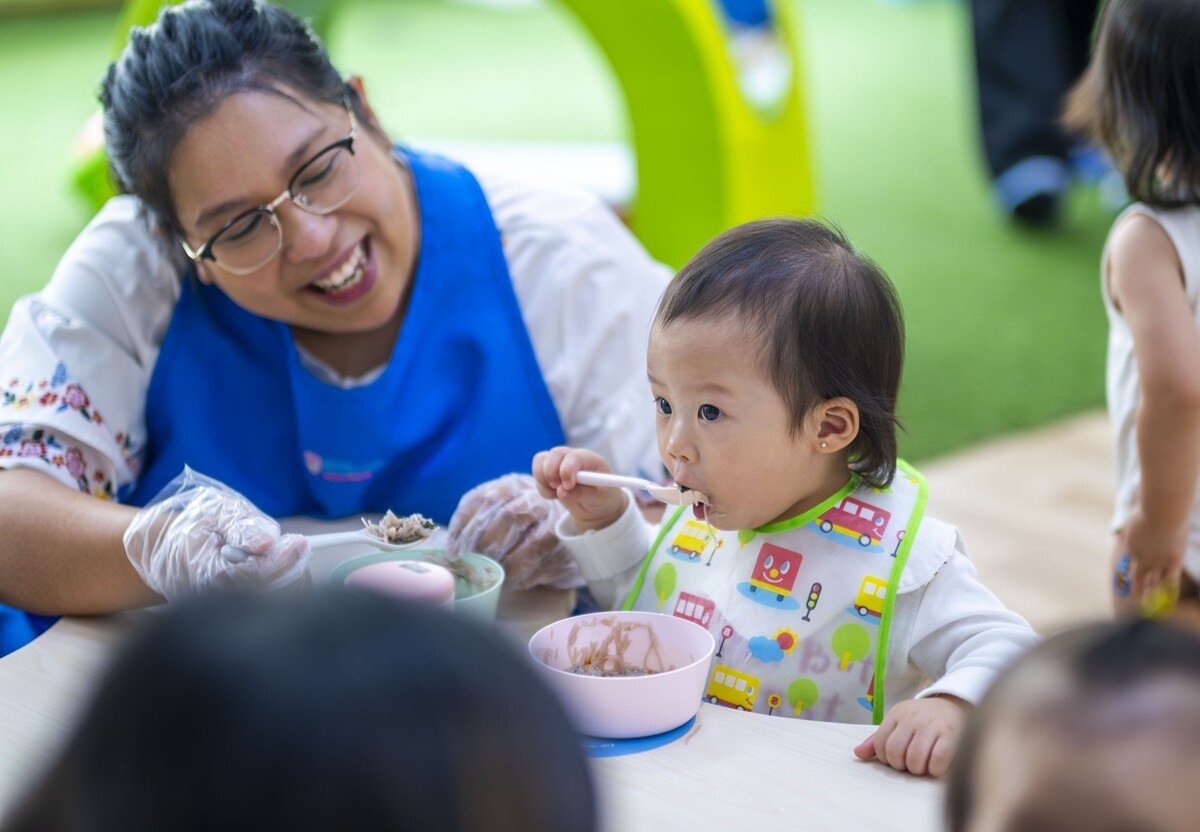
Food allergies in children are becoming more common worldwide, and Singapore is no exception. For parents considering a preschool in Singapore or enrolling their child in a childcare centre, ensuring that the environment is both safe and nurturing is often a top priority. Beyond a strong curriculum and caring teachers, parents want peace of mind that their child’s health needs will be carefully managed daily.
At our childcare centres in Singapore, we recognise that food allergies can be a major concern. Children spend a significant portion of their day in school, having meals and snacks with their peers, which makes it important for educators to stay vigilant. That’s why we have clear guidelines, proactive measures, and strong communication with families to make sure every child — whether managing a food allergy or not — can learn, play, and thrive safely.
Common Food Allergies in Children
Food allergies occur when the body’s immune system reacts negatively to certain foods. In preschool-aged children, the most common types include:
Cow’s Milk Allergy
Often one of the first allergies to appear in infants, it can cause hives, vomiting, or digestive issues. Substitutes like oat, soy, or almond milk (if safe for the child) are commonly used in childcare meal plans.
Egg Allergy
Eggs are a frequent part of children’s meals and snacks, so this allergy requires careful monitoring. Reactions range from skin rashes to more severe symptoms. Alternative ingredients, such as cereals or egg replacers, can be used in place of eggs—something many preschools in Singapore are prepared to handle.
Peanut Allergy
One of the most well-known and potentially severe allergies. Even trace amounts can trigger a reaction, making it essential for staff to be aware of cross-contamination risks.
Tree Nut Allergy
Separate from peanut allergy, this includes almonds, walnuts, and cashews. Nut allergies are often lifelong and can be serious, requiring strict avoidance across childcare centres in Singapore.
Wheat/Gluten Allergy
Some children may have celiac disease or non-celiac gluten sensitivity. Gluten-free alternatives, such as rice-based products, are essential for these children. Parents may also provide meals from home to ensure safety, which is supported at many childcare centres.
Soy Allergy
Soy is widely used in processed foods, which makes this allergy tricky. Teachers and staff need to be mindful when checking labels.
Fish and Shellfish Allergies
While less common in very young children, seafood allergies can cause strong reactions and require strict management in childcare settings.
Warning Signs to Watch For
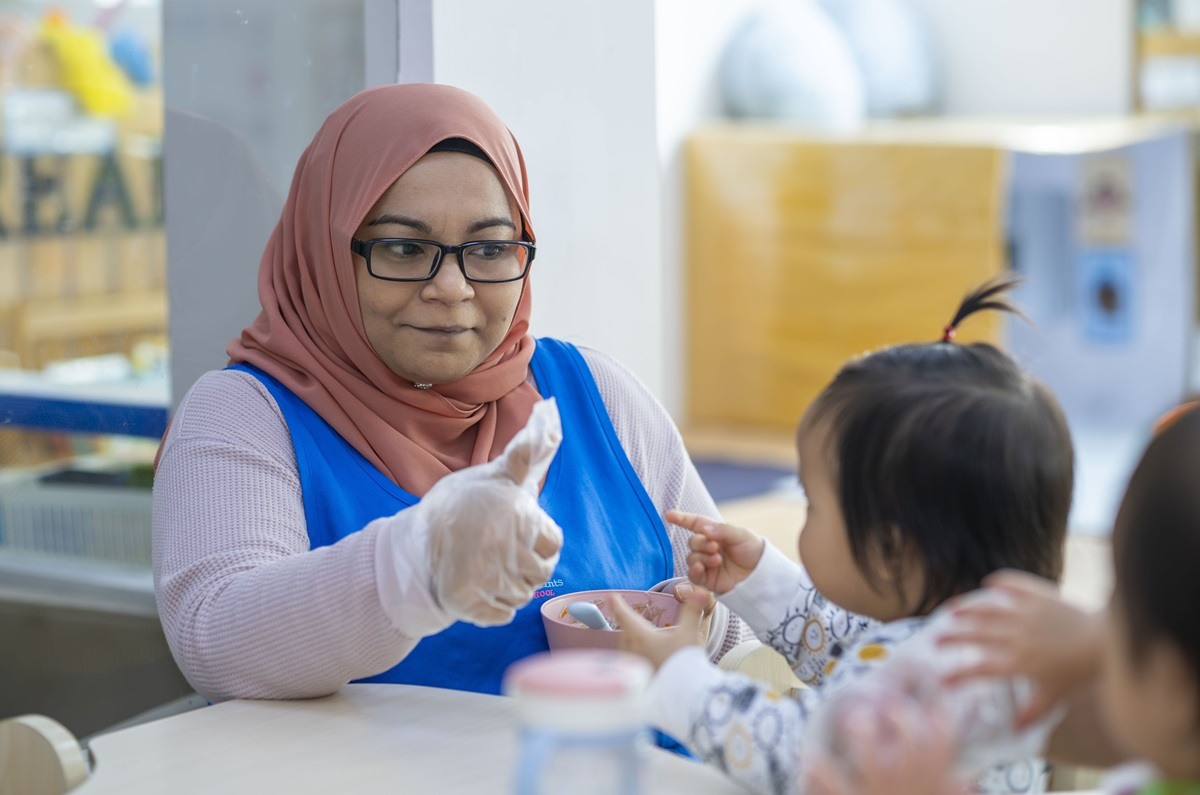
Recognising food allergy reactions early is key to keeping children safe. Symptoms can range from mild to life-threatening, and understanding what to look out for helps parents and educators respond quickly and effectively.
Reactions generally fall into three categories:
Immediate Reactions
These appear within minutes of consuming the allergen. Common signs include itchy rashes or hives, swelling around the lips, eyes or face, and sudden vomiting.
In some cases, children may also cough, wheeze, or complain of a tight feeling in the throat. Because young children may not always have the words to describe what they are feeling, educators in childcare centres watch for behaviour changes such as irritability, sudden quietness, or unusual scratching around the mouth.
Delayed Reactions
Some allergic responses take several hours to appear. These may show up as eczema flare-ups, persistent stomach pain, diarrhoea, or general lethargy.
Parents sometimes mistake delayed reactions for unrelated issues, which is why documenting food intake and observing patterns over time is important. In a childcare centre setting, teachers note such observations and share them with parents to help identify possible triggers.
Severe Reactions (Anaphylaxis)
The most serious form of allergic reaction, anaphylaxis, is a medical emergency. It can cause difficulty breathing, dizziness, a sudden drop in blood pressure, or loss of consciousness.
Immediate action with an epinephrine auto-injector (if prescribed) is essential, followed by calling for medical assistance. This is why childcare centres in Singapore have strict protocols and ensure staff are aware of any children at risk, so that swift action can be taken if required.
By staying alert to these warning signs and maintaining open communication between teachers and parents, children with food allergies can be kept safe and well-supported in their learning environment.
How Our Childcare Centres Handle Food Allergies
To keep children safe while ensuring they feel included in daily activities, our centres implement the following measures:
1. Class Allergy List
Each classroom displays a list of children with allergies so teachers and staff are constantly reminded of their dietary needs.
2. Alternative Meal Options
For certain allergies, such as egg, our centres may replace ingredients with safe alternatives - for example, offering cereal instead of egg-based dishes for breakfast.
3. Parent-Supplied Meals
Children with specific needs, such as gluten-free diets, can bring their own meals from home. Parents are required to sign an indemnity form to formalise the arrangement.
4. Cross-Contamination Prevention
Teachers and staff are trained to carefully check food labels and avoid accidental exposure to allergens, a key practice in all childcare centres in Singapore.
5. Collaborative Partnership
Parents are encouraged to share medical action plans, and our educators work closely with families to provide reassurance and consistent care.
Building a Safe and Inclusive Environment
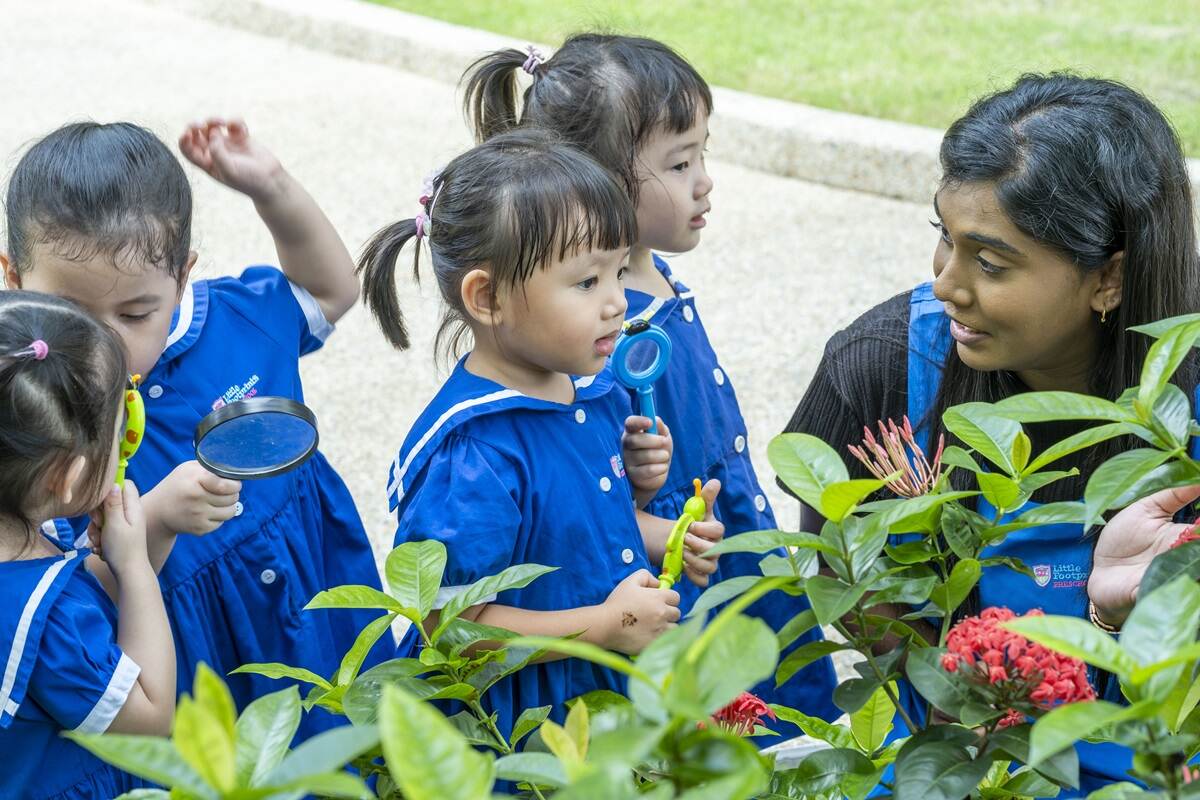
Managing food allergies isn’t only about restrictions — it’s also about creating an inclusive environment where every child feels safe and supported.
During class celebrations, snack times, or special events, teachers take extra care to ensure children with allergies are not left out. This fosters a sense of belonging and allows children to enjoy their preschool experience in Singapore to the fullest.
Beyond Allergy Management
While food allergy management is an important part of ensuring a safe preschool environment, what sets our childcare centres in Singapore apart is the holistic experience we offer.
From engaging programmes that nurture curiosity and creativity to thoughtfully designed learning environments that encourage exploration and play, our focus is on supporting every child’s growth and development. Parents can be assured that their children are learning in a safe, caring, and stimulating environment — one where health, happiness, and education come together.
Discover more about our programmes and explore how our centres create the right environment for your child. Book a tour with us today.
Follow us on social media to stay updated on our latest updates and happenings:


